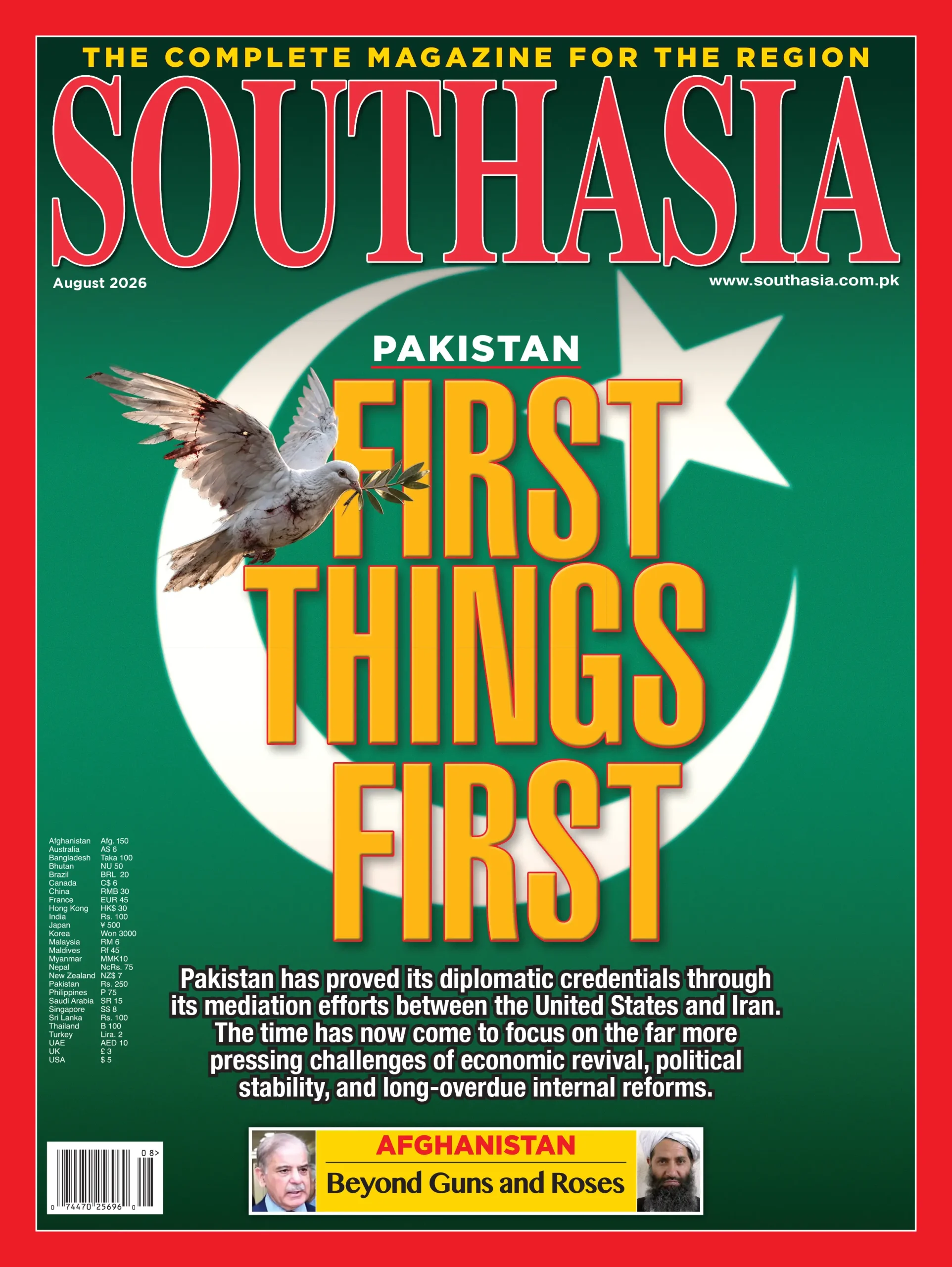



Pakistan became an American ally in its so-called War on Terror that took place in Afghanistan after the 9/11 attacks in the United States 20 years ago. Although Pakistan only agreed to provide logistical support and share intelligence with the US-led allied forces, Pakistan was asked to do much more than that. Having decided to join the alliance in the wider global interest to defeat terrorism in the region, Pakistan had to pay a heavy price for its crucial decision. The state writ was challenged and bomb blasts were reported across the country. As a corollary, the Pakistan Army played a significant role in de-radicalizing the society by carrying out large-scale military operations. Enacting madrassa and education reforms, the integration of Federally Administered Tribal Areas (FATA), the nationalization of less developed areas, the National Action Plan along with scores of poverty alleviation and constitutional measures were taken to defeat terrorism in the country. It was apparent that Pakistan's participation in the war on terror was unparalleled and the international community, particularly the United States, should have recognized that and appreciated Pakistan's central role in the prolonged war on terror. However, fingers were unduly raised on the country's role in the Afghan war.
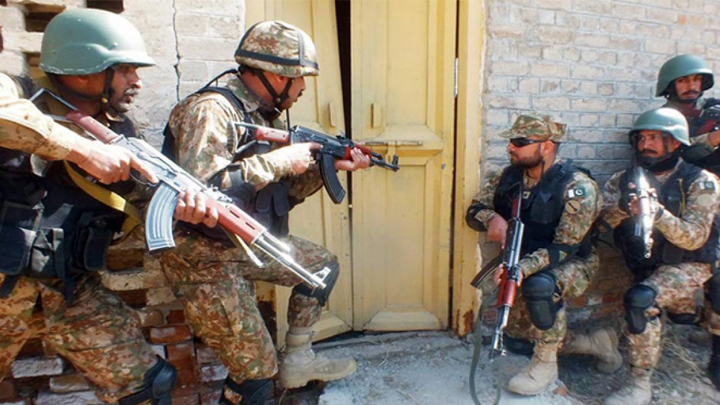
According to the Pakistan Institute for Peace Studies, Pakistan, in its first military offensive, launched an operation against a Wazir sub-tribe of Dara Akakhel in North Waziristan, who was involved in the July 2003 al-Qaeda-led attack on a US military base. In October 2003, the TTP, al-Qaeda elements and the Zali Khel and Kari Khel tribes of Waziristan refused to surrender to state institutions, and the Pakistan Army launched an operation against them. The Wana operation took place in March 2004, which resulted in the death of 63 terrorists from Chechnya and Uzbekistan. In April 2004, an operation was launched against the Mehsud tribes in Shikai. Operations against terrorists were also launched in North Waziristan and South Waziristan in September 2005 and January, 2008.
The Operation Sher Dal was aimed at recovering Koti TP terrorists from Bajaur Agency and continued from August 2008 to February, 2010. As a result, Sufi Mohammad, chief of the Tehreek-e-Nifaz Shariat Mohammadi (TNSM) and Muslim Khan, spokesman of the TTP Swat was arrested. Operation Biadar was launched on September 1, 2009, which reduced the number of terrorist attacks on the NATO supply trucks. The Operation Rah-e-Nijat on September 16, 2009 cleared 90% of terrorists from Dera Ismail Khan, the Frontier Region Tank and Zhob. In 2011, about 144 operations were carried out as a result of which a total of 1,016 terrorists were killed. In 2012, the Pakistani military re-established peace in North Waziristan. In 2013, Karachi and Balochistan got rid of terrorists, thanks to a slew of operations by the Pakistan Rangers. The Operation Zarb-e-Azb targeted the terrorist cells in North Waziristan. As of December 28, 2014, some 2,100 terrorists had been killed in the area. The Khyber 1 Operation was launched in the FATA's Khyber Agency and TTP's ally Lashkar-e-Islam was against it. The Operation Khyber Two was launched in March 2015 with the intention of clearing the Tirah Valley of terrorists, which had become a safe haven for the TTP, the Lashkar-e-Islam and the Jamaat-ul-Ahrar. In 2015, peace was restored in Karachi under the National Action Plan (NAP). In 2016, Balochistan was the focus of attention, with Pakistani military personnel and other law enforcement agencies cracking down on other extremist groups, including the banned Tehreek-e-Taliban. In February 2017, the Operation Radd-ul-Fasaad eliminated the remaining terrorist elements in Lahore, Sehwan Sharif, Khyber Pakhtunkhwa and the former FATA region. Khyber IV, mid-July 2017 helped clear Rajgal Valley and Shawal Valley of Khyber Agency from terrorists. Operation Radd-ul-Fasaad eliminated terrorists in the country and created an atmosphere of peace in Pakistan. A series of targeted operations against anti-national elements is still going on. 
Leave a Reply