


The current armed conflict between Pakistan and Afghanistan is more than merely an escalation of a decades-old border dispute. For years, Pakistan sought to resolve its security concerns by befriending — or facilitating the rise of — a friendly regime in Kabul. Fears of a two-front war, with Afghanistan in the west and India in the east, gave rise to the “strategic depth” doctrine once pursued by Pakistan but later abandoned. Many analysts now view the present conflict as the military manifestation of that long-standing dilemma.
Pakistan believes that attacks by the Tehreek-e-Taliban Pakistan (TTP) and the surge in BLA militant activities are not possible without active support from Indian intelligence agencies and the connivance of elements within Taliban ranks. Consequently, Islamabad views Taliban military structures, networks, and facilities inside Afghanistan as part of a support network that enables TTP operations, both directly and indirectly. These militant groups are also perceived as a source of leverage for obtaining concessions, including recognition and commercial engagement, from regional states.
This reality has significantly altered Afghanistan’s political landscape. The current conflict should therefore be understood as a product of history, regional rivalries, and unrestrained foreign intervention. Pakistan believes that India is using instability in Afghanistan as an instrument of foreign policy, aided by sympathetic elements within the Afghan religious and militant establishment. Islamabad also maintains that previous Afghan governments, to varying degrees, aligned with parts of the Indian agenda but stopped short of fully pursuing such policies out of fear that they could ultimately destabilize Afghanistan itself.
The Afghan Supreme Leader recently issued a decree reportedly aimed at dismantling the presence of the TTP on Afghan soil. It appeared to be an attempt to reduce tensions with Pakistan. However, little changed on the ground. No significant shift was observed regarding the use of Afghan territory by the TTP and BLA, although some local media outlets reported the detention of a few militants who had returned from Pakistan. These arrests were projected as evidence that such groups had become liabilities rather than assets. Pakistani analysts, however, viewed the move largely as symbolic, arguing that militant infrastructure and recruitment networks remained intact.
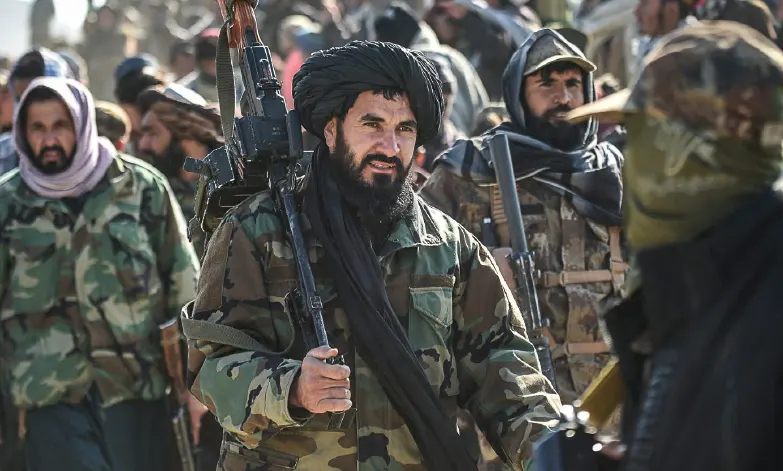
The decree may also have contained provisions regarding the detention of “illegal foreigners,” including TTP members. This appeared to be a tactical response to sustained Pakistani pressure rather than a fundamental policy shift. Subsequent developments reinforced the perception that the decree did not represent a credible strategic change. Had that been the case, militant groups would no longer have enjoyed protection or sanctuary inside Afghanistan. Many TTP members continue to believe that as long as the Taliban remain in power, they will not be handed over to Pakistan. From Islamabad’s perspective, these groups remain an important source of leverage in the hands of the Taliban administration.
Considering the TTP an “existential threat” because of persistent cross-border attacks, Pakistan has repeatedly urged the Taliban to dismantle militant sanctuaries over the past four years. To compel action, Islamabad has issued diplomatic ultimatums, deported large numbers of Afghan nationals, closed border crossings, and conducted targeted strikes against militant hideouts. Information Minister Attaullah Tarar stated in April that since the launch of Operation Ghazab Lil Haq in early March, hundreds of Afghan Taliban operatives had been killed or injured, while military equipment and infrastructure had also been destroyed.
By actively confronting former allies, Pakistan’s ongoing military campaign has evolved into a serious armed confrontation. At the same time, Taliban leaders appear aware of Pakistan’s strategic limitations and remain reluctant to acknowledge the extent of Pakistan’s past support during their rise to power.


The writer, based in Rawalpindi, is a former ambassador and can be contacted at mian.sana@gmail.com.
Leave a Reply