



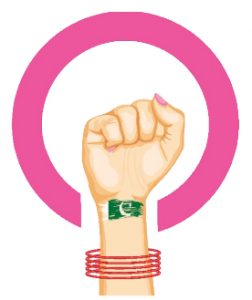
The word feminist in Pakistan is often tossed around as an insult to shut up an intellectual conversation about women’s rights. The moment you are labelled as one, you are discredited before you even present your stance in a shameless attempt to poison the well and cast doubt on your cognitive abilities. After all, no ‘sane’ person can believe in equality of the sexes in this part of the world, apparently.
Born and raised in Pakistan, I have encountered a plethora of people who not only criticize the movement but openly advocate for anti-feminism without having the slightest clue of what the word means. Mind you, Pakistan has one of the lowest literacy rates in Asia, with the male literacy rate at around 71% and female literacy rate stalling at a whopping 22% behind that. To make matters worse, Pakistan has one of the highest school dropout rates in the world with 41% primary school dropouts. But I am not going to discuss the expected ignorance of those not privileged enough to attain basic education. I am going to shift the conversation towards the ‘educated elite’ who hold many degrees, and yet, are allergic to lifelong learning.
When queried, they point fingers at the oblivious ‘fake feminists’ demanding unwarranted favours ‘because’ they’re women and claim they are representing true feminism. Whatever arguments you offer to explain that’s not what feminism embodies, will fall on deaf ears. It makes you wonder why they prefer cherry-picking positive discrimination eternalising, self-proclaimed feminists as the face of the movement to fuel their biased agenda over objective study. There already are too many people with God complex wearing blinders like some badge of honour who would actively resist changes in their points of view than deal with logical vulnerability and actually be sensitive to the possibility of their own fallibility and partiality.
These people, in my opinion, though, need to be educated, not ridiculed. And so, every time I stumble upon a literate person raising virtual slogans against feminism, I urge them to practice responsibility and read the smallest book on feminism that they can acquire. They need to decipher the significance of all three waves before forming an opinion. They must do so instead of blindly augmenting the overabundant hate fostering bandwagons already burgeoning in full swing in our post-colonial, poverty-stricken society. If only we learnt to suspend judgment until there was enough evidence in lieu of disregarding without adequate knowledge.


The writer is a student of Biomedicine, with a passion for social justice and equality. She can be reached at biya1994@hotmail.com
Leave a Reply