And then there is another inconsistency. People of Irish descent in America, can easily talk about and happily mention or sympathise with teams from their parents’ or fore-fathers’ country of origin, but sometimes Pakistanis living in the UK, are put to the cricket test of Norman Tibbett.
Sometime in 1990, the Los Angeles Times published an interview with British Conservative politician Norman Tebbit, in which he questioned the loyalties of Asian immigrants to the United Kingdom. Using the example of cricket – a popular sport in the Indian subcontinent – he declared that: ‘A large proportion of Britain’s Asian population fail to pass the cricket test. Which side do they cheer for? It’s an interesting test. Are you still harking back to where you came from or where you are?’
A recent CAIR exit poll found that 84% of Muslims voted in the U.S. general election, signalling their significant influence on the outcome of the election.
Tebbit’s comments caused a storm with representatives of the Asian communities declaring them hurtful and disgraceful. Politicians were similarly outraged. ‘He is a clever politician using soft language about cricket,’ said the Labour MP Jeff Rooker, who called for Tebbit to be prosecuted for inciting racial hatred. Liberal Democrat leader Paddy Ashdown hoped that Tory leader Margaret Thatcher would condemn the ‘outrageous and damaging remarks’.
But is there something about the Muslims?
Of course, in Pakistan it doesn’t much matter to say about an achiever, that that person is a Muslim, since over 90% the population is Muslim.
As George Bernard Shaw said, “In heaven an angel is nobody in particular”.
It is a different case if it happens in the Western world. It is rightfully and happily highlighted by those Muslims, who surround or are affected by the achiever. They rejoice, celebrate, talk, text or WhatsApp about that Muslim person’s success. A kind of feel-good factor.
One of the first executive orders of President Joe Biden was to lift the ban imposed by Donald Trump on people coming to the US from mostly Muslim countries.
“Washington without Donald Trump will be like The Silence of the Lambs without Hannibal Lecter; we may feel safer, but it’s lot less compelling.” --- Robert Shrimsley in the FT, as quoted in The Week, 30 January 2021.
So, there is something about the Muslims in the United States of America…
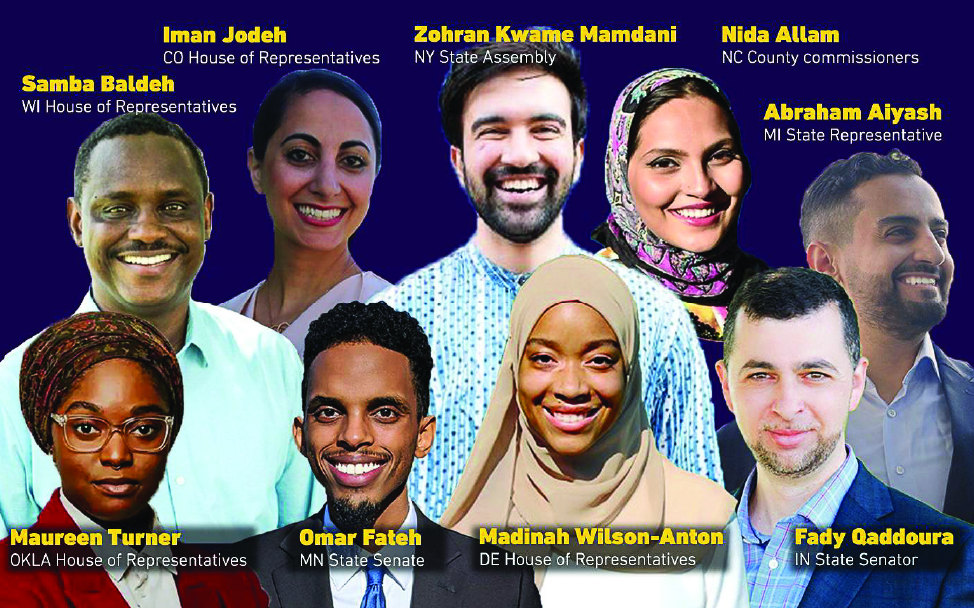
A record 170 candidates voted in the 2020 U.S. elections across 28 states and in Washington D.C. This is the highest number since Jetpac, CAIR and MPower Change started mapping the electoral progress of politicians who identify as Muslims.
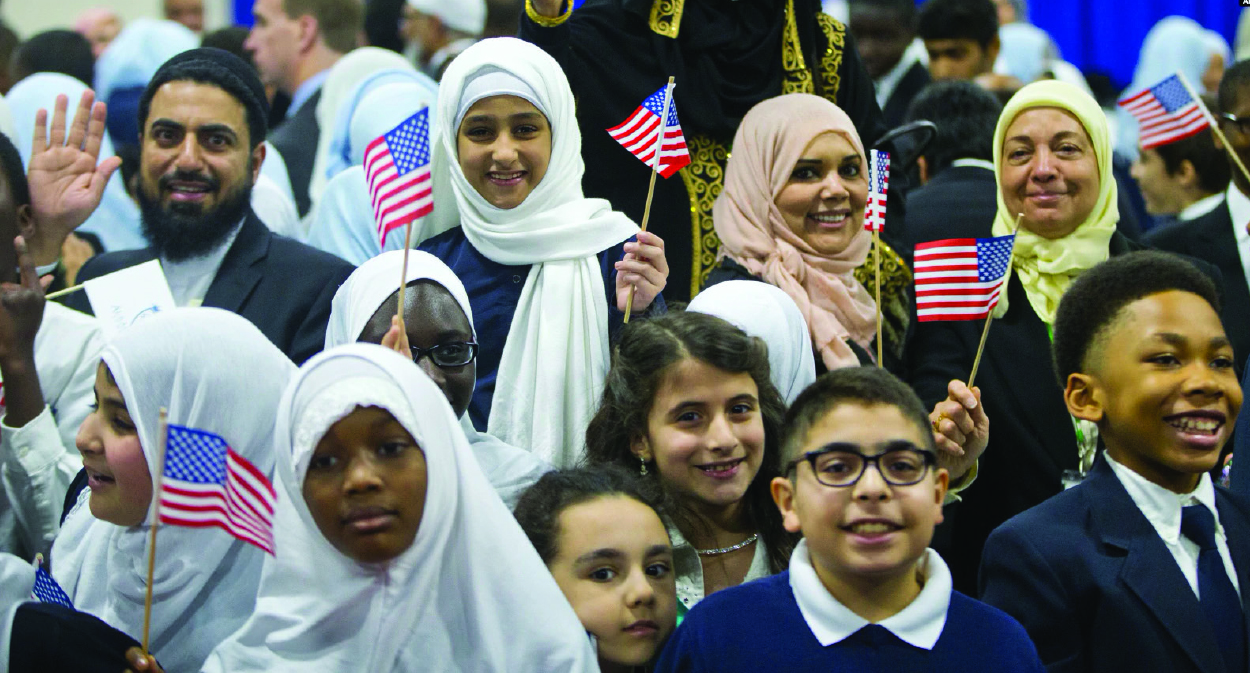
A recent CAIR exit poll found that 84% of Muslims voted in the general election, signalling their significant influence on the outcome of the election. Muslim-led organizations did incredible work in voter registration, relational organizing and election protection training in 2020 that could have decided close races in Arizona, Georgia, Michigan, Pennsylvania, and Wisconsin.




Leave a Reply