



Such commonly-used words as 'arch-rivals,' 'nemesis,' and 'enemies' are only a handful of upfront labels that can better describe the utmost degree of enmity shared between the two neighbouring countries: Pakistan and India. Whether it comes to militaristic strength or a bickering contest either on social media platforms or at the venerable fora of the United Nations and the OIC, the litany of such animosity-ridden occurrences is endless and is just enough to corroborate the polarity of opposing views of the two hostile nations living next door to each other. Yet, while the compare-and-contrast exercise tends to be the modus operandi in the Sub-continent in particular, the parallels stretch both in the most obvious and unfortunately in some subliminal aspects as well.
The India-Pakistan relationship is paradoxical in simple terms. Both nations share congruent similarities in culture, cuisine and tradition. They speak similar languages and even dress in identical fashion. However, such similar attributes have miserably failed to bring the nations closer to each since the partition in 1947. What else has been left to notice is a backward mentality of extremists found in great numbers on either side of the border, thus casting a shade of brutality and injustice that makes it difficult to distinguish their nationality.
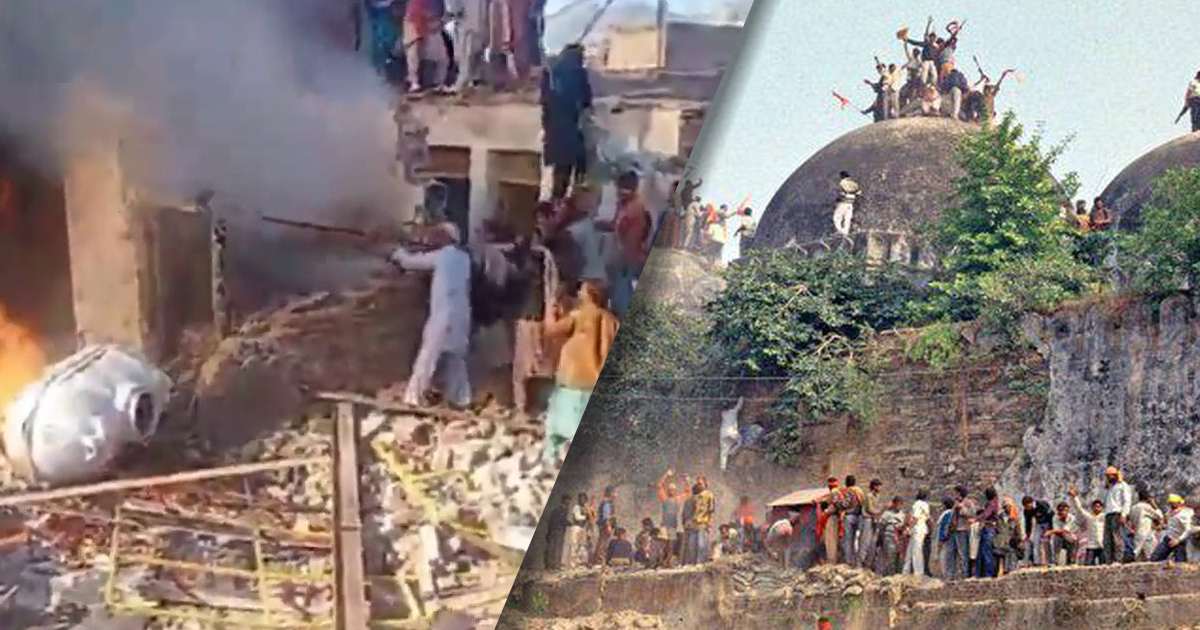
The world writhed in shock and dismay in 1992; the soul-shattering demolition of the Babri Masjid in Ayodhya in India rendered nothing but cruelty. The BJP-led mob of some 150,000 people not only decimated the historical mosque but wreaked havoc on the local houses, shops and masjids. Even the local Muslims were not sparred from the rampage and the hatred-spewing mob claimed over 18 innocent lives in a single day. In Pakistan, in a clear contrast, more than 30 temples were burned to ground within a couple of days after the demolition of Babri Mosque, and that too on the account of protest. Thus, the local population paid the price for uncommitted crimes in the name of religion and patriotic retaliation.
Just 28 years later, history repeated itself again, in the same month of December. The penultimate day of 2020 saw the burning and desecration of a centuries-old Hindu Temple in the north-western province of Pakistan. A mob of 1200 people, led by local Muslim clerics, hammered down a 200-year-old Krishna Dwara Temple, which was also the final resting place of Guru Shri Paramhans Dayal, a venerated Hindu religious figure of the 19th century.
The Babri Masjid was demolished in spite of the state government’s perpetual reassurances of safety and later, justice. A host of pleas seeking the reconstruction of the mosque were entirely rejected by the Supreme Court of India, which awarded the land for the construction of the hailed temple, let off the culprits and completely walked over the ethical regard to law and minorities. Similarly, the local police of Karak has assured to arrest the culprits who are involved in the desecration of the Krishna Dwara Temple. Back in 1992, the FIRs were lodged against a handful of the ‘Kar Sevaks’, who were unanimously held responsible for the dismantling of the Babri Masjid, yet the leaders of BJP were spared of any legal consequences. Similarly, a severe action is promised by the federal ministers of Pakistan, yet the local clerics entitled to inciting the riot are yet to be taken to task.
Be it the 2.77-acre-land decimated on the account of being a deity’s alleged birthplace or the incineration of a temple on a dispute over illegal expansion of land, neither the law nor the religious doctrines of either faiths warrant such an inhuman display of power. Sadly, both Pakistan and India mirror each other in their violent mindset and the subsequent fragmented efforts for due justice yet claim to be the better of the other. 

The writer studies at the Institute of Business Administration, Karachi. He can be reached at szainabbasrizvi.14122 |
|
Cover Story
|
|
News Buzz
|
Update |
Leave a Reply