

Opportunity
Silenced Guns
Is it possible for global powers to discuss the futility of
war against each other? COVID-19 is an opportunity for
peace that may not come again.
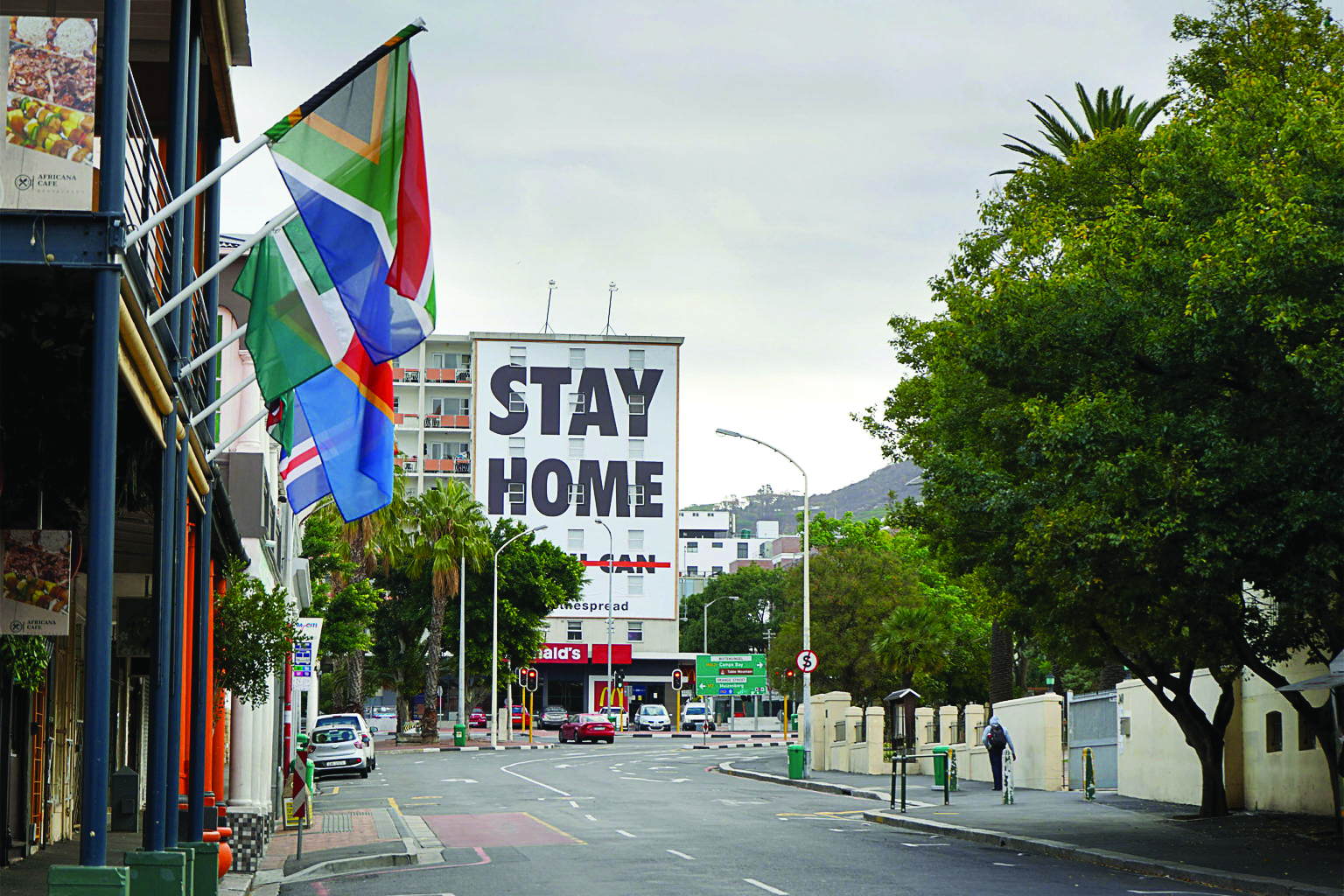
Driving along one of the busiest shopping streets of Karachi was a pleasant surprise. On a road that was always cloaked in garbage with with flying plastic bags all around, there was not a single bag to be seen, nor a single item of waste. It was as pristine as you can get, given the dust-laden environment of this metropolis. The reason: a few weeks of closed shops and people made to stay at home. Paradoxically, the result was an environment better suited for humans.
A similar situation prevails the world over. Cleaner streets, pure and fresh air outdoors and, barring homes where domestic violence has been reported to be on the rise, children and parents spending quality time and learning to be together again. Health professionals are honoured and celebrated for their front-line role as many have already succumbed to the disease. With more time and motivation, home dishes are cooked as against fast food. Of course, problems of unemployment, lack of food security and poverty are exacerbated but the silver lining is that these are sinking into the consciousness of those who possess the wherewithal to do something about it.
The greater difference, which might become the real game-changer, is that many countries, especially the African ones, have responded positively to the call for a global ceasefire from the United Nations Secretary General, Antonio Guterres. Around 70 member states and other organisations have endorsed the call, as has Pope Francis. This would bolster the efforts already in place to bring peace to Africa by September 2020.
The US has asked the Taliban to bring their strikes to a halt in the wake of the spreading virus so that all efforts of the Afghan government could be directed towards fighting the disease and not other humans. That Trump is blaming China for the virus, thus starting another controversy, is another matter. Calls for peace have not had much effect on the constant war in Yemen, between the rebel Houthis supported by Iran and pro-government forces supported by Saudi Arabia and the UAE. Israel continues its oppression and increasing annexation of Palestinian land and homes with the US going so far as stopping delivery of health equipment to the former.
The situation in Kashmir remains problematic, with continued violations of the Line of Control, even as the Kashmiris grapple with a fragile health system that cannot cope with the virus. A new war has started between China and India along the border of Ladakh. India has also picked a fight with neighbouring Nepal. The pandemic seems to have also increased Islamophobia in India as Muslims are being blamed for its spread. The Rohingyas in Myanmar continue to suffer. In many countries, the rate of street crime has dropped, while some cities have seen a rise. Even as the virus has taken millions of lives and affected the health of the global population, many people continue to believe that it is a hoax and conspiracy. People refuse to take precautions in the misguided belief that they will neither infect nor be infected.
The virus has, however, decided that it will not differentiate on the basis of ethnicity, race, religion or language. A global community has been created. For the first time in the history of the world, people in all their diversity and arrogance of race, are seen to be wearing the same attire: face masks and gloves. As someone said, “We are all niqabis now”. Whether it is the sweepers on the streets, royalty or film celebrities, in Europe or Asia, they follow similar guidelines. For once, the world is in the grip of a common enemy and is striving both for prevention and cure of the attack. It is worth noting that governments that are leading in terms of protecting their people against the enemy are mostly led by women, who have acted decisively, in time and with firm resolve. Examples include New Zealand, where the pandemic has died out, Germany, Finland, Norway, Iceland and Taiwan. Decisiveness and concern for their people were driving factors.
Despite nations refusing to cooperate, as India has, is it possible to dream about global powers discussing the futility of the wars against each other? If people occupying positions of responsibility in the world can put aside their egos and animosities and decide that instead of financing mutual killing, they will support research and development of health options, reduce poverty in the world and make efforts to resolve differences through dialogue, COVID 19 would become a blessing. Is it possible for concerned governments and citizens to make a bid for lasting global peace, reach out to each other and discuss the basics of a global peace contract? Even governments that have come into power riding upon waves of jingoism and hatred of other countries or faiths, can be convinced of the benefits of the common fight against the global virus. Perhaps, in addition, or even instead of calling for global debt relief and finance restructuring, the world may be requested for efforts to establish peace that would have the greatest financial impact.
COVID-19 is a threat to humanity, but it is an opportunity for peace that may not come again. The silent streets in cities, the absence of human cacophony and noise and the return of animals to their habitats can be a positive permanent feature post-COVID, if the world can rebuild destroyed homes, rehabilitate migrants, return soldiers to their barracks, redirect funds to health, education and poverty reduction and strengthen resilience of people against illnesses. The first action necessary will be to silence all guns and destroy all mortars, bombs and grenades and start talking global peace. ![]()
The writer is a development professional, researcher, translator and columnist with an interest in religion and socio-political issues. She can be reached at nikhat_sattar@yahoo.com |
|
Cover Story
|
|
Special Editorial Feature
|
|
Region
|
|
News Buzz
|
Update |


Leave a Reply