



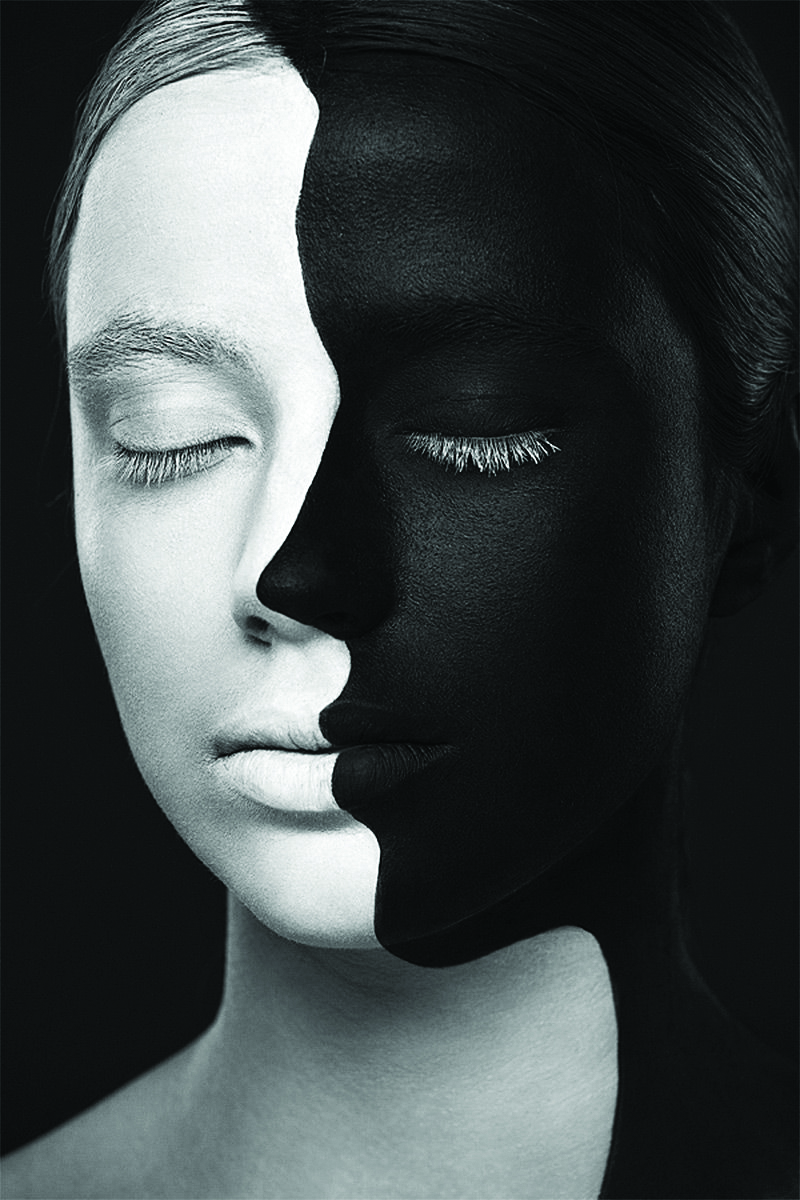
 For as long as I remember I was told how lucky I am that I picked my dad’s fair complexion and not my mom’s dark one. I was too naïve to question if I had a choice to pick the skin colour. I do remember feeling very happy because I could identify that there was a compliment hidden in the statement. How do I feel about it now? The honest truth is that I like my skin colour and still get validated for it. Having said that, I also love darker skin colours and in fact when it comes to the opposite sex I find fairer guys less attractive as compared to dark skinned ones.
I have multiple opinions on what skin colour means for us as a society. I feel this colour discrimination can be traced back to the colonial era when mostly white Britons ruled over dark skinned Indians. The roots of the fervor for fairness runs deep in the soil of our post-colonial Pakistani and Indian psyche. In Pakistan now, a darker skin colour is very often associated with the Indians whereas we Pakistanis consider ourselves the better looking race than the fairer skinned one.
When looking for a girl to marry a male in our family, among the many ‘musts’ the elders lay down is that ‘larki chitti honi chaye’ (the girl should be fair-complexioned), no matter what the complexion of the husband-to-be is.
I have many times heard comments like,’ yeh to Indian lagti hai’ and somehow in our endeavour to consider ourselves superior to our neighbours, the skin colour becomes an important factor and a sign of beauty.
This colour superiority is deeply embedded in the fabric of our society and I strongly believe it’s not going to change anytime soon. Recently Unilever dropped ‘fair’ from its ‘Fair & Lovely’ skin cream campaign. A great move but will it seriously change the mindset of the people? I don’t think so.
It’s important to understand how the sense of colour develops for an individual. It is the way a person thinks and views his or her traits that to start with are physical and then beliefs and values are incorporated. It’s a truly dynamic and intricate concept because it covers both the ‘inner’ and ‘outer’ self. When these two are assimilated, one’s sense of self develops.


The writer is a psychotherapist and a free-lance contributor. She can be reached at zaramaqbool@yahoo.com |
|
Cover Story
|
|
Special Editorial Feature
|
|
Region
|
|
News Buzz
|
Update |
Leave a Reply