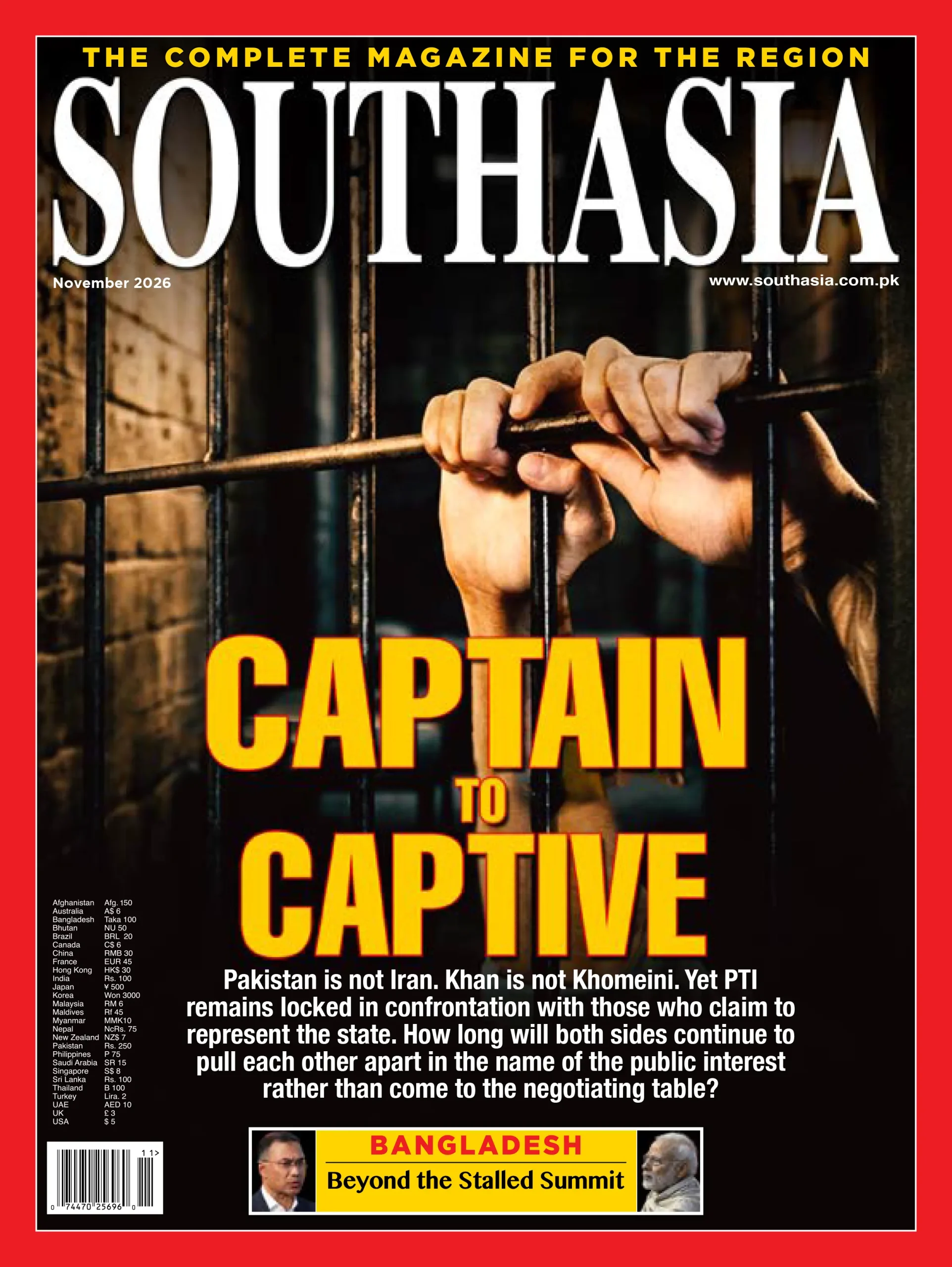



It has been a common phenomenon in Pakistan’s turbulent political history for power to alternate with prison. This has been true of almost every political leader who has reached the highest echelons of power. One elected prime minister was executed after being ousted in a military coup; both prime ministers and presidents have spent time behind bars. Former prime minister Imran Khan’s fate is no different. A former cricketing hero turned political leader, he rose to power on the strength of both the ballot and the support of the all-powerful security establishment.
For years, the establishment fed the public a narrative portraying a former cricketing hero as a saviour, while other political leaders were dismissed as corrupt and incompetent. But, true to our political culture, Khan too was removed halfway through his term — not through a military coup, but through a vote of no confidence, made possible by the withdrawal of the very forces that had helped him come to power. The astronomical surge in his popular support after he was ousted likewise stemmed from that same long-promoted narrative.
The causes of the anti-establishment backlash were equally rooted in the system that has long been manipulated to maintain the institution’s dominance. Besides his vitriolic rhetoric against his erstwhile patrons, Khan also alleged that the United States was orchestrating regime change. This helped whip up public sentiment and fuelled the protests. His growing popularity and frontal attack on the new military leadership brought the confrontation to a head.
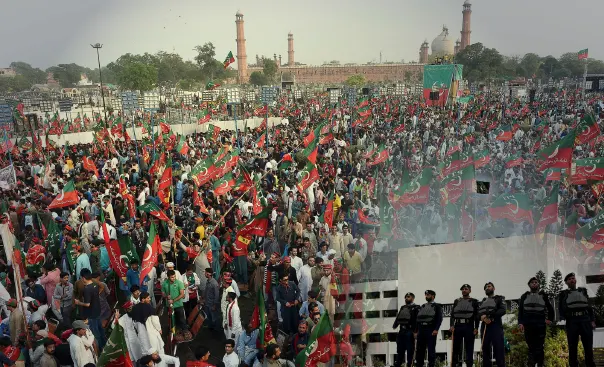
His arrest on 9 May 2023 triggered violent attacks in Punjab and Khyber Pakhtunkhwa, targeting military installations. The military leadership was badly shaken by the unprecedented storming of the high-security zone in Lahore. The violence, followed by the removal of the local corps commander and scores of army officers, raised questions about whether they had been complicit in the events. These questions became more pertinent amid reports that family members of some serving and former generals were among those being investigated in connection with what the military spokesman described as the darkest chapter in Pakistan’s history.
Khan and his supporters appeared convinced that they had the backing of a section of the establishment. Some PTI social media operatives based abroad were predicting that the military would come out in Imran Khan’s support in the event of mass public protests.
That may have been why the former prime minister adopted an increasingly aggressive tone towards the top army leadership, even as he tried to assure the public that his allegiance lay with the security forces. He grossly miscalculated the authority of the top command as he waited for circumstances that could bring him back to power. The illusion of a revolution was never to be realised.
The establishment struck back with a ferocity not witnessed in the country’s recent history. Hundreds of PTI leaders and workers were convicted by military and anti-terrorism courts. Many are still languishing in prison without trial.
Despite securing bail from the courts on major charges, Khan has not been released by the government, which has instead brought new cases against him. The government’s high-handedness has further infuriated his supporters. Imran Khan’s call for change galvanised not only his party’s supporters but also others who were unhappy with the security apparatus’s growing influence.


The writer, based in Islamabad, is a veteran journalist, author and television analyst. He can be reached at zhussain100@yahoo.com.
Leave a Reply