



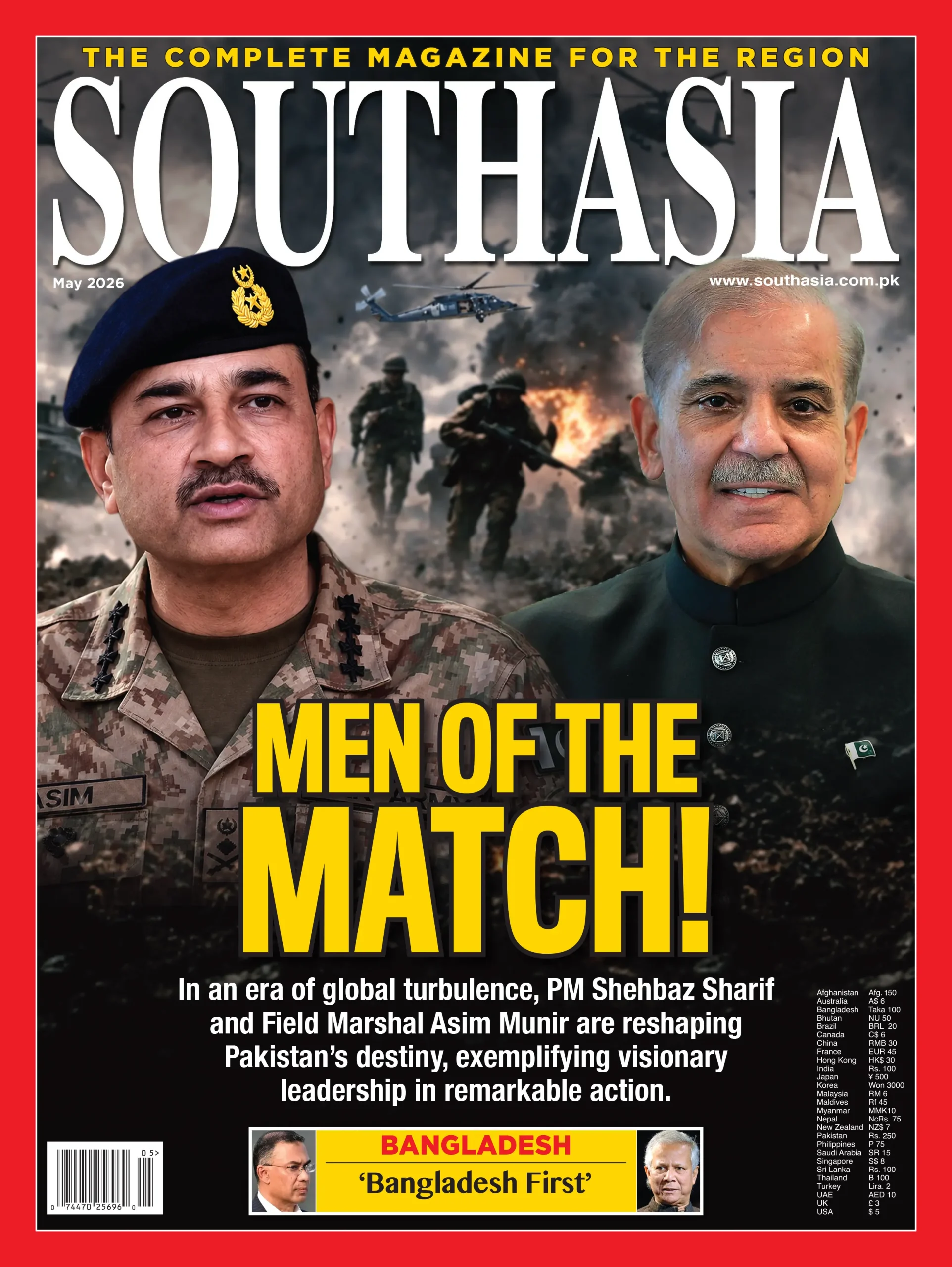
Men of the Match
This is with reference to the cover story that appeared in the May 2026 issue of SouthAsia Magazine. For Pakistan, the biggest achievement in this situation would be to keep the door open for peace while maintaining its diplomatic credibility, internal stability, and regional balance. Remember, conflicts aren’t just fought on battlefields—they also shape the futures of economies, societies, and generations to come. The main challenge for Pakistan is to protect its territory from potential regional conflicts. Its western border is already at risk from terrorism, smuggling, and political unrest. If tensions between Iran and the US rise further, their effects could spill over into Balochistan and the tribal areas. Plus, millions of Afghan refugees, cross-border trade, and energy projects could also be affected. So, Pakistan’s goal is to use diplomacy to cool tensions and prevent a major regional crisis. This situation is particularly serious in the larger context of the Islamic world.
Janib Soomro,
Jacobabad, Pakistan.
Significance of Donald Trump’s Visit
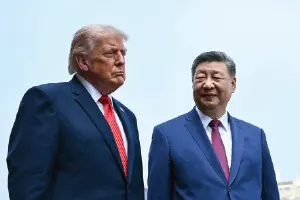 Global politics is at a pivotal point where power, trade, technology, and diplomacy are interconnected. The U.S. President’s visit to China is a significant event amid recent tensions, including trade conflicts and technological restrictions, with the U.S. viewing China as its main economic and strategic rival. Even with their rivalries, there’s a strong mutual dependence. China relies on American technology and markets, while the U.S. depends on Chinese goods and supply chains, a dynamic that could help prevent major conflicts. U.S. President Trump’s visit, despite contradictions and political compromises, offers hope. The world is tired of wars and sanctions, and responsible competition between Washington and Beijing could benefit global stability.
Arjun Kumar,
Dubai, UAE.
Deportation of Pakistanis from Gulf
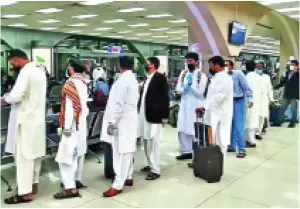 As recently revealed in the National Assembly, 164,788 Pakistanis have been deported from Gulf countries over the past five years. The highest number, 168,029, was deported from Saudi Arabia, followed by 40,497 from the United Arab Emirates, 9,814 from Oman, 2,971 from Qatar, 2,779 from Bahrain, and 698 from Kuwait. Many of those deported from Saudi Arabia are said to have gone there on Umrah visas and later involved themselves in begging, illegal activities, or other crimes. Sadly, this pattern is becoming more systematic and professional, driven by the personal interests of a few and the temptation of easy money, which is harming the country’s international reputation. Addressing this issue requires ending the pursuit of quick gain and changing mindsets inclined towards crime.
Tehmina Naqvi,
Toronto, Canada.
Water Warfare in South Asia
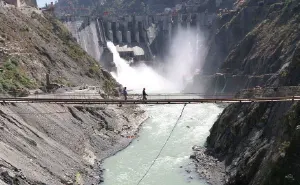 Pakistan’s economy depends a lot on agriculture, with the Indus River and its tributaries playing a crucial role in supporting farming communities in Punjab and Sindh. India has historically sought to influence these water flows through dams and other projects, sometimes violating the 1960 Indus Waters Treaty by threatening to limit water supply, launching controversial projects, and using water as a political tool during periods of tension. After India revoked Kashmir’s special status in 2019, its provocative water statements have raised concerns across the region. By 2026, India’s extreme views threaten regional peace, yet the international community largely stays quiet about the weaponization of water—an act that breaches international law and humanitarian principles. The UN and global human rights organizations should pay close attention to this, as the politicization of water could lead to disastrous consequences in the region. India’s water policies are not just about Pakistan; other neighboring countries have also expressed concerns, showing a mindset of dominance rather than regional cooperation. Responsible nations know that water, essential to human life, should never be used as a political weapon, and that attempts to control it only make regional instability worse.
Syeda Tabbassum Rasheed,
Multan, Pakistan.
Poor Economic Recovery
 Efforts to expand the inclusivity of Pakistan’s tax system appear to be insufficient. Pakistan’s economic development depends not only on government policies but also on fostering public investment, enhancing education and skill development, and integrating digital technology. If the government commits to sustainable reforms and invests in its citizens, Pakistan has the potential to modernize its economy and increase its prominence within the global market. While the Pakistani government takes pride in its role in stimulating economic growth, many citizens continue to await tangible benefits. Genuine progress will be realized only when income levels rise and greater employment opportunities become available to youth. The system cannot depend solely on salaried workers for sustainability; however, securing honest tax contributions from major corporate leaders remains a significant challenge.
Shahab Ahmed,
Peshawar, Pakistan.
Unresolved Economic Issues
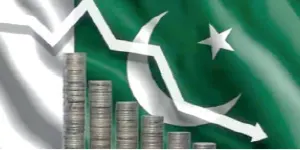 While the Pakistani government has made commendable efforts to ease tensions between Iran and the United States through diplomacy, considerable work remains to be done in the economic domain. For instance, Pakistan’s Gross Domestic Product (GDP) has grown only modestly, and people’s incomes have remained stagnant, eliciting concern among many. Furthermore, sectors such as education and healthcare are expected to see price increases. Inflation persists as a significant challenge, and the substantial taxes levied to secure loans have exacerbated the financial difficulties faced by numerous individuals. Regrettably, there appears to be a resurgence of tax avoidance among business owners, shifting the entire fiscal burden onto the salaried middle class. Consequently, it is the impoverished and middle-income workers who continue to bear the greatest sacrifices. Owing to governmental policies, the prices of essential daily commodities have reached unprecedented heights, while income levels have failed to increase correspondingly. As a result, monthly grocery expenditures have doubled. Additionally, employment opportunities for lower-income groups have diminished.
Shakaib Usmani,
Islamabad, Pakistan.
Need for Small Provinces
The ongoing debate about restructuring Pakistan’s provinces is really important. Some people feel that the four existing provinces are sacred and shouldn’t be changed, while others believe that to meet current governance needs, smaller administrative units could better serve the people. One view is that these four provinces are vital to Pakistan’s stability, and any changes could jeopardize it. On the other hand, some argue that the country’s survival depends more on the well-being of its citizens than on provincial borders. It’s vital that any actions taken focus on improving people’s lives and development. So, moving toward smaller administrative divisions now could more effectively boost economic growth. Additionally, although Pakistan’s political parties have gained financial independence at the provincial level through the 18th Amendment, they haven’t yet gained similar control over local governments below the provincial level.
Asma Ghulam Nabi,
Chakwal, Pakistan.