



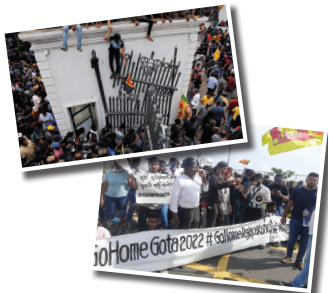
 Gone are the days when Sri Lanka was billed as an economic idyll. Assailed by an ever-burgeoning debt trap, the island nation has plunged neck-deep into a dire economic crisis -- the worst one witnessed since 1948 when the country gained independence. In the long months since strife and hardship have become the order of the day, political pundits have been quick to pinpoint causes and prescribe remedies. A vast majority of analysts have rightly pinned the blame on the family-run authoritarian regime that has drained the country’s exchequer. Others have relied heavily on economic jargon to illustrate the complexities of the turmoil that has laid siege to Sri Lanka. Sceptics have even expressed their reservations about the debt-driven colonialism steered by a now-crumbling neoliberal model of development backed by the West.
Be that as it may, there’s an overarching consensus that a diverse miscellany of factors have fomented the economic downturn in Sri Lanka.
From the outset, the island nation’s steady transition from an economic haven to a debt-ravaged polity is linked broadly with the cycle of misgovernance it has witnessed over time. For over two decades, the Rajapaksa family has treated statecraft as a family concern -- albeit one that has been sustained under the guise of parliamentary democracy. As a result, maladministration, graft and nepotism have gained currency. Successive mismanagement of economic policies under the Rajapaksa clan has led the country towards a twin deficit. National expenditure stands substantially in excess of national income -- an alarming sign that Sri Lanka lacks the capacity to produce tradable goods and services.
Government spending has remained, at best, injudicious for some time now and pulled the country deeper into a financial quagmire. When Mahinda Rajapaksa was at the helm, a large fraction of government expenditure was allocated towards infrastructural projects that didn’t reap any financial rewards.
The tenure of Gotabaya Rajapaksa, his brother, also didn’t bode well for the island nation. Soon after he seized the reins as president, Gotabaya announced massive tax cuts before the parliamentary polls -- a populist move promised as part of his electoral campaign. Though the policy wasn’t substantiated by experts and economic gurus, it was touted as a well-meaning step to galvanize the business sector and quell the rising trend of unemployment. The outcome of this imprudent policy was far from promising. Government revenue plummeted by almost 25% -- a substantial drop that further strained the state exchequer.
In March 2020, the lockdowns introduced after the global pandemic struck culminated in a significant decline in tourism revenue. The remittances sent to the country by foreign workers also began to diminish. Owing to the containment measures spurred by COVID-19, Sri Lanka’s foreign currency reserves took a hit and the first traces of an impending economic turmoil reared their ugly head. An inflexible rate of exchange became the source of further complications.

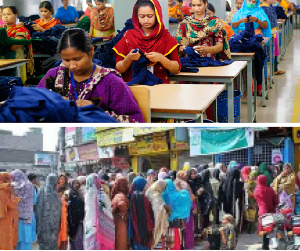 In Bangladesh, some 32 lakh women work in garment factories. In Pakistan, 67 lakh women receive free cash grants from the government. Pakistani women need to be transferred from receiving charity to earning from labour. It adds to the prosperity of a country when the labour force is expanded. Charity is a non-productive activity. Nations rise not through charity but labour.
The writer is a journalist and author. He analyses international issues and can be reached at tahakehar2@gmail.com
Leave a Reply