



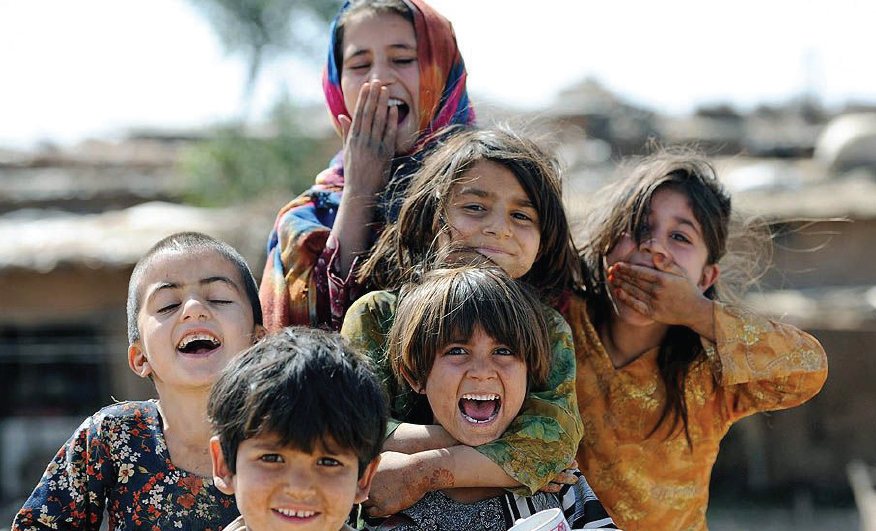
On the list of priorities that our society needs to focus on is a scourge so real and so deep, that the United Nations routinely sounds alarms about it. It’s an issue that stares us right in the face, yet we are doing little about it. And unfortunately, it barely gets mention in mainstream media as well. My friends, the crisis that I am referring to is the crisis of malnutrition.
It is imperative to strengthen our narrative around the malnutrition challenges that Pakistan currently faces. As the novel Coronavirus Disease (COVID-19) emerges, it reflects how important immunity is to fight this and many similar types of diseases requiring a strong defense system. More prone to the fatality as a result of COVID-19, year on year studies suggest that children undergoing malnutrition have suppressed immunity and are more likely to catch the infectious diseases.
Pakistan remains at emergency levels of acute malnutrition and has been reported to have one of the highest levels of prevalence of child malnutrition compared to other developing countries. A focus on quality of diet and nutrition awareness is extremely essential to prevent stunting, wasting and other forms of malnutrition. 8 out of 10 children in Pakistan do not eat right type and quantity of food.
According to the National Nutrition Survey (NNS) 2018 of Pakistan, 40.2% of children under 5 years of age in Pakistan are stunted, while 18% are wasted with high micronutrient deficiency levels. Millions of children in Pakistan suffer from stunted growth, cognitive impairments, weak immunity and non-communicable diseases as an outcome of these micronutrient deficiencies. This essentially means that they cannot grow up to be productive, well-functioning members of society since they are not physically nourished to the level that they should be. This doesn’t bode well for the future of the country, since the next generation of adults is not equipped – physically and mentally – to deal with the challenges of the modern world.
Right nutrition at the right time is essential for child survival, health and development. Adequately nourished children are much more equipped to fight infections, grow and learn, act as productive members of society, and respond well in combatting disease, disasters and other public health crises. By the same logic, poor nutrition impacts on health, education and wellbeing through generations and even through the adolescence.

Leave a Reply