



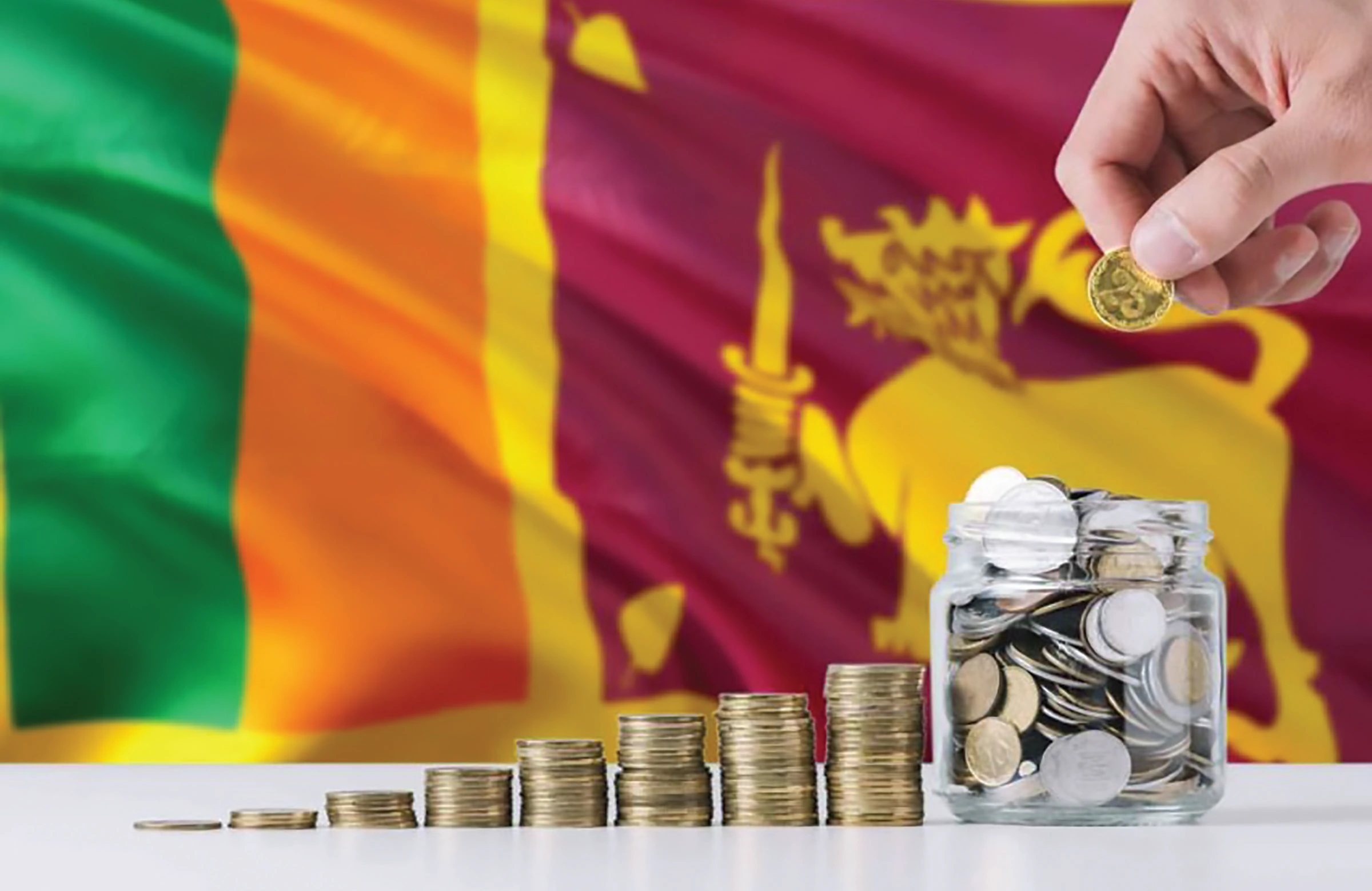
Sri Lanka, an island nation located in the Indian Ocean, finds itself drowning in a sea of debt. As one of over 70 countries in the Global South facing the suffocating grip of debt distress, the country’s plight is a microcosm of a larger systemic injustice. Today, Sri Lanka is burdened by unsustainable debt and predatory lending practices.
Moreover, it is ruthless to submit to the dictates of the International Monetary Fund (IMF) and the interests of global finance capital because Sri Lanka is a part of the Global South. Instead, it should champion a proactive and collaborative approach, working alongside other distressed nations to demand fair and transparent laws and forums for restructuring external debt.
The current system, skewed in favour of creditors, allows them to impose austerity measures that decimate social programs and inflict hardship on the people least responsible for the crisis. Sri Lanka should be at the forefront of a movement demanding transparent debt audits, equitable burden-sharing between creditors and debtor nations, and independent arbitration mechanisms.
The World Bank and the IMF, with their restrictive policies and neo-liberal orthodoxy, have proven inadequate in fostering equitable and sustainable development. To forge new avenues for development finance, Sri Lanka and other developing countries should explore alternative financing models such as South-South cooperation, debt-for-nature swaps, and regional development banks based on mutual respect and solidarity.
The current system, built on exploitative debt practices and unequal power dynamics, is fundamentally flawed. Playing its part in reshaping the global financial architecture, Sri Lanka can be a catalyst for systemic change, advocating for increased transparency in financial markets, fairer trade agreements, and global development goals that prioritize human well-being over profit maximisation.
Sri Lanka’s debt woes are a complex tapestry woven from multiple threads. The main contributing factors are shown in the following:
Unsustainable borrowing fuelled by vanity projects: Successive governments embarked on ambitious infrastructure projects, often financed by high-interest loans from China and other creditors. While potentially offering long-term benefits, these projects were often plagued by corruption and failed to generate sufficient returns to service the debt.
External shocks beyond control: The COVID-19 pandemic devastated the tourism sector, a vital source of foreign exchange for Sri Lanka. Rising global commodity prices and volatile currency markets severely hampered the country’s ability to repay its debts.
Predatory lending practices: Some creditors, particularly private lenders, engaged in practices akin to debt traps, offering seemingly attractive loans with hidden costs and onerous repayment conditions. This further exacerbated the already precarious situation.
Sri Lanka’s current response to the crisis, heavily influenced by the IMF, is focused mainly on austerity measures. These measures, including tax hikes, public service cuts, and reductions in social spending, aim to shrink the budget deficit and appease creditors. However, they come at a steep cost.


The writer is a journalist and is associated with the University of Karachi as a visiting faculty member. She can be reached at azizmehak46@gmail.com
Respected Sir,
Please send me contact number of Chief Editor and Incharge Correspondents…
Best Regards
All contact Information about Magazine is appear in about us and at the bottom of the web page.
Best Regards.
Team SOUTHASIA