


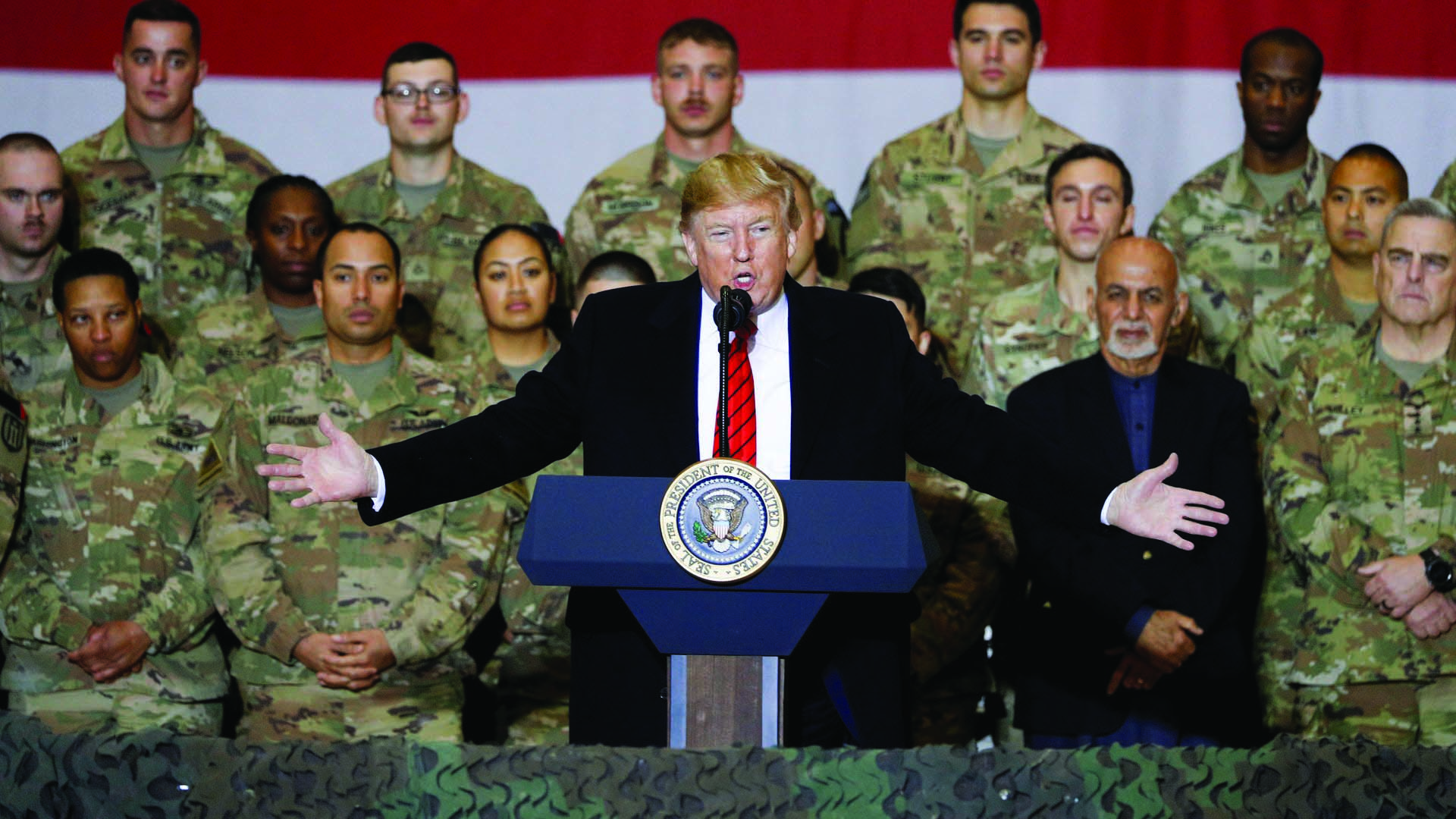
Yielding to immense US pressure and thanks to the efforts by Pakistan, the Taliban agreed to a 10-day ceasefire with the US after the peace agreement was signed. This would subsequently lead to reduction in violence with Afghan forces and an intra-Afghan dialogue under the auspices of Germany.
The Taliban and US negotiators met on 15 and 16 January in Doha. Later Sohail Shaheen, Taliban spokesman while speaking to the Pakistani paper Dawn on 18 January, described the talks as “useful” hinting at their continuation. He stated the Taliban were “optimistic” about a deal with Washington by end January, 2020. The negotiations were expected to outline an agreement that would see US troop withdrawal in return for security guarantees by Taliban, besides agreements on other issues. The ceasefire had the US pre-condition of re-starting the talks that were started in Doha and then paused in December last year, after a Taliban attack near the Bagram military base. The Taliban had been consistently refusing to accept the US demand to announce a ceasefire “during the peace talks” and remained stuck to their position to do so “after” the agreement was signed. The Taliban are, reportedly, still not calling it a ceasefire but just an “arrangement”, given the negative effect it has on unity of the Movement, as repeatedly argued in these pages.
The pause in the peace process had mixed results. The Afghan government that previously felt sidelined in a peace process, considered it “too rushed” till President Trump scuttled it last September. It is now pushing for an extensive ceasefire. As per Afghanistan NSA’s, Hamdullah Mohib, Afghan leaders considered a ceasefire as the Taliban’s seriousness for peace, and conceded that the Taliban “can deliver on what they sign.” The Taliban used the interruption to bridge divides among their own rank and file. Reportedly, Mullah Abdul Ghani Baradar, the Taliban deputy leading the talks, traveled to Pakistan and met around 300 senior and midlevel commanders to take them onboard.
During this time; Dai’sh, was able to entrench in Kunar, Laghman and Nangarhar provinces in eastern Afghanistan, due to Salafi influences in these provinces and their broad compatibility with Dai’sh’s Salafist ideology. Support from the local population bolstered by resources - mainly oil revenues from Iraq - started attacking government forces, foreign forces and the Taliban. The group used women as battle shields, forcibly converted captured men and women to their ideology and required women to marry their fighters, either voluntarily or out of ignorance. This caused a societal backlash and the Taliban offensive with overwhelming local support, evicted the group that the US military was unable or unwilling to do.


The writer has an interest in International Relations and Political Sociology. He can be reached at |
|
Cover Story
|
|
Region
|
|
News Buzz
|
Update |
Leave a Reply