



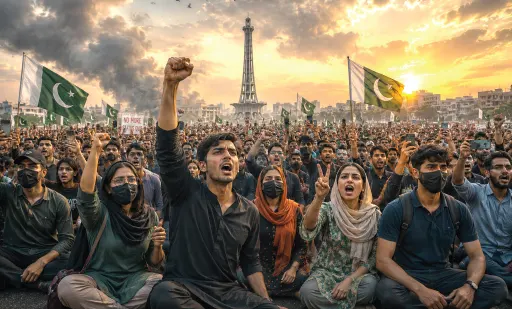
Like other South Asian countries, Pakistan is also experiencing its Gen Z moment — though it remains sporadic and unorganized. What is unfolding in Balochistan, Khyber Pakhtunkhwa (KP) and Azad Kashmir reflects a pushback against increasingly authoritarian rule. News from these areas may be kept off the mainstream media, but reality cannot be hidden in the age of social media.
Other parts of the country are witnessing growing discontent among the youth that could turn into a mass uprising, as happened in Bangladesh, Nepal and Sri Lanka. The “cockroach” movement — which has shaken the right-wing Hindu nationalist government of Prime Minister Narendra Modi — has become an inspiration for a young generation looking for change in the existing repressive, dynasty-based political order.
Pakistan not only has a large youth population but also suffers from political and economic problems. The country’s Gen Z (born between 1997 and 2012) is believed to number nearly 70 million. This has dire implications for a country where basic rights are in jeopardy, the media and free expression are restricted, and unemployment is rising.
A “demographic dividend” could turn into a demographic catastrophe, with Pakistan occupying practically the lowest rung on South Asia’s human development ladder. The legitimacy of a regime that is losing its grip in several parts is being questioned. The economy, meanwhile, depends on external assistance, which restricts financial autonomy. Public discontent — driven by inflation, unemployment and political repression — has created a volatile situation.
Hundreds of political and human rights activists are behind bars. The judiciary itself is shackled, restricting avenues for those seeking justice. Last year, parliament passed the Anti-Terrorism (Amendment) Bill, allowing detention without charges for up to three months. Journalists are repeatedly targeted under the Prevention of Electronic Crimes Act (Peca) for reports deemed critical by the authorities.
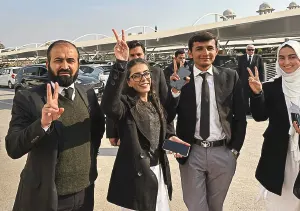
Earlier this year, human rights lawyers Imaan Mazari-Hazir and Hadi Ali Chattha were convicted by an Islamabad district court and handed cumulative 17-year prison sentences under Peca for “cyberterrorism” and spreading “anti-state” narratives. All of this signifies the lengthening shadow of authoritarianism. There is not even a semblance of freedom of expression anymore.
As interior minister, Mohsin Naqvi has admitted that the present system has failed to deliver. Speaking at the Pakistan Economic Summit last month, Naqvi — widely seen as the most powerful cabinet minister, enjoying the military establishment’s patronage — said the current system of governance had “collapsed” and was fundamentally incapable of resolving the country’s problems. He stressed the need for structural reform to address Pakistan’s mounting challenges.
We all know the existing political system has failed to deliver, but a man who is himself a product of that system is now questioning its legitimacy. Naqvi’s statement points to the unravelling of the hybrid arrangement, and his words cannot be dismissed as merely personal views, given his perceived association with the powers that be. He also warned of a “cockroach”-type movement in Pakistan if the system were not changed.
Naqvi’s assertions have laid bare the fault lines within the hybrid political structure established after the controversial 2024 elections. But his suggestion of restructuring the existing provincial administrative units is aimed at salvaging a rotten system. While he pointed to the absence of governance, the real cause behind this state of affairs was not mentioned. Naqvi regretted that the “failed system” had dragged on for seven decades.
He is absolutely right, but he failed to mention the dominant influence of the security apparatus for much of the country’s history. The decline of the present hybrid, and increasingly autocratic, system was long foretold. However, a mere change of face and the creation of new administrative units will not solve the state’s problems. Many view his statements as an attempt to redirect public attention from the real issues and tighten control.
 Meanwhile, the situation in Balochistan and Azad Kashmir has worsened, with the state relying entirely on kinetic options to deal with a largely political problem. The recently held elections in AJK were marred by reports of violence and allegations of electoral manipulation. No blackout of the news can change the reality on the ground.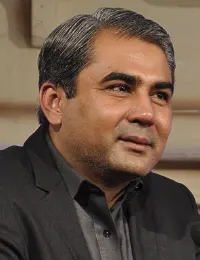


The writer, based in Islamabad, is a veteran journalist, author and television analyst. He can be reached at zhussain100@yahoo.com.
Leave a Reply