




Winning the War Within
This is with reference to the cover story published in the August 2026 edition of SouthAsia Magazine regarding Pakistan’s deteriorating law and order situation. The issue deserves urgent attention from policymakers and security authorities. Rising incidents of violence, crime and insecurity are affecting ordinary citizens, businesses and the country’s overall social and economic stability. The government must take decisive and sustainable measures to restore public confidence and ensure the safety of citizens. Strengthening law-enforcement institutions, improving coordination among security agencies, addressing the underlying causes of crime and ensuring swift justice should be key priorities. Pakistan cannot achieve lasting development without peace, stability and the rule of law.
Javed Anjum,
Peshawar, Pakistan.
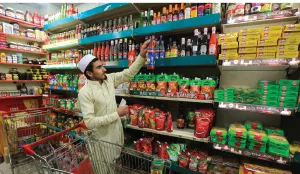
Curse of Hyperinflation
For millions of Pakistanis, a routine trip to the market has become a daily struggle to make ends meet. The rising cost of essential food items, electricity, transport and other necessities is placing growing pressure on salaried and daily-wage households. Inflation is no longer merely an economic indicator; it is increasingly shaping everyday decisions — from what families can afford to eat and whether patients can purchase medicines to whether students can continue their education. While short-term relief packages may provide temporary respite, the country needs sustainable measures to address the underlying causes of rising prices. These include strengthening domestic production, curbing profiteering and improving energy-sector efficiency to bring down costs for consumers. The government must place household purchasing power at the centre of its economic policies. Without meaningful action, persistent inflation could deepen poverty, widen inequality and limit opportunities for a generation already struggling with rising living costs.
Sultana Suhail,
Karachi, Pakistan.
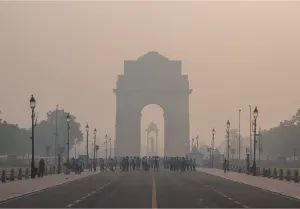
Air Pollution and Public Health
I write with growing concern about the air we breathe. Every winter, schools close, hospitals fill up, and children wear masks just to go outside. Pollution is not only a Ranchi problem; it affects Mumbai, Lucknow, and Bengaluru as well. We need stricter enforcement of vehicle emission standards, better public transport, and greater accountability for crop burning and construction dust. Subsidies for clean cookstoves in rural areas and investment in renewable energy must also be scaled up. Citizens are doing their part, but policy must lead the way. Our right to clean air is protected by the Constitution. Please treat this as the public health emergency it is, rather than as merely a seasonal issue.
Arjun Mehta,
Ranchi, India.
Cost of Living and Debt Recovery
The Sri Lankan government needs to wake up. After the economic crisis, prices in Sri Lanka have stabilised somewhat, but debt repayments, fuel costs and import taxes continue to squeeze families. We need transparent management of foreign loans, greater support for local agriculture to reduce food imports, and targeted relief for low-income households. Tourism is recovering, yet its benefits are not reaching small businesses. Most of all, we need trust. The government should publish clear data showing how aid and public revenue are being spent. Young professionals are leaving because they see little hope for their future. If we improve governance and protect vulnerable communities now, Sri Lanka can rebuild without losing another generation.
Nimali Perera,
Colombo, Sri Lanka.
Youth Migration and Brain Drain
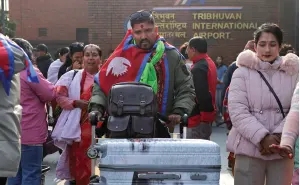 Youth migration in pursuit of better livelihoods has become a norm in Nepal. We, the Nepalese youth, graduate, but jobs offering fair pay are scarce. Remittances help families, but they cannot replace engineers, nurses, and teachers. The leading problem is not a lack of talent but a lack of opportunity. We must invest in hydropower, agro-processing and IT services to create opportunities that encourage skilled young people to stay. Bureaucracy and political instability also make it difficult for startups to grow. Give us apprenticeships, access to credit for small enterprises, and merit-based hiring in government. Let us build Nepal instead of building other nations. If policies do not change, our villages will grow older while our cities become increasingly dependent on money sent home by migrants abroad.
Sabin Gurung,
Pokhara, Nepal.
Balancing Development with GNH
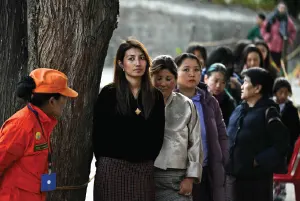 The people of Bhutan are proud of Gross National Happiness (GNH), but worried about the future. Youth unemployment is rising, and many feel they must choose between tradition and decent work. Tourism, hydropower, and digital services can grow without harming our forests and culture. We need vocational training aligned with these sectors, and better internet in rural areas so young people can work from their communities. Development must not mean copying models that create pollution and inequality. Let us strengthen GNH with real jobs, mental health support, and protection of our environment. Bhutan’s strength is its values. We should modernize while keeping what makes us Bhutanese.
Karma Dorji,
Thimphu, Bhutan.
Climate Change and Sea Level Rise
For the people living in the Maldives, climate change is creating greater survival challenges than ever before. High tides now enter homes that were safe just ten years ago. Coastal erosion, coral bleaching, and the rising cost of desalination have become daily realities. Climate change is our most pressing challenge because it threatens our very land. We need stronger coastal protection, greater investment in renewable energy to reduce dependence on diesel, and climate-resilient housing. International climate finance must reach local communities directly, rather than being limited to large-scale projects. We also need greater public awareness about waste management and reef protection. The world must listen. If greenhouse gas emissions are not reduced, no amount of adaptation will be enough. Please treat the Maldives not merely as a holiday destination, but as a country fighting for its survival.
Aishath Zaina,
Malé, Maldives.
Floods and Climate Vulnerability
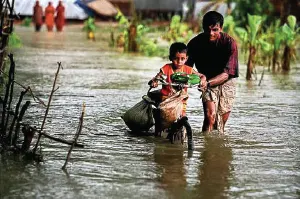 Farmers from the northern districts of Bangladesh face problems that farmers in other parts of the country do not. Every monsoon, floods wash away crops and roads. Cyclones and river erosion make recovery harder each year. Our priority must be climate adaptation. Early warning systems, flood shelters and proper embankment maintenance can save lives. We also need crop varieties that can survive waterlogging, as well as insurance schemes for small farmers. Urban drainage systems in Dhaka and other cities must also be improved to prevent waterlogging. Bangladesh contributes little to global greenhouse gas emissions, yet its people pay a disproportionately high price for climate change. We urge the government and global partners to provide funding for climate adaptation now. Development means little if a single flood can push vulnerable families back into poverty.
Rafiqul Islam,
Rangpur, Bangladesh.