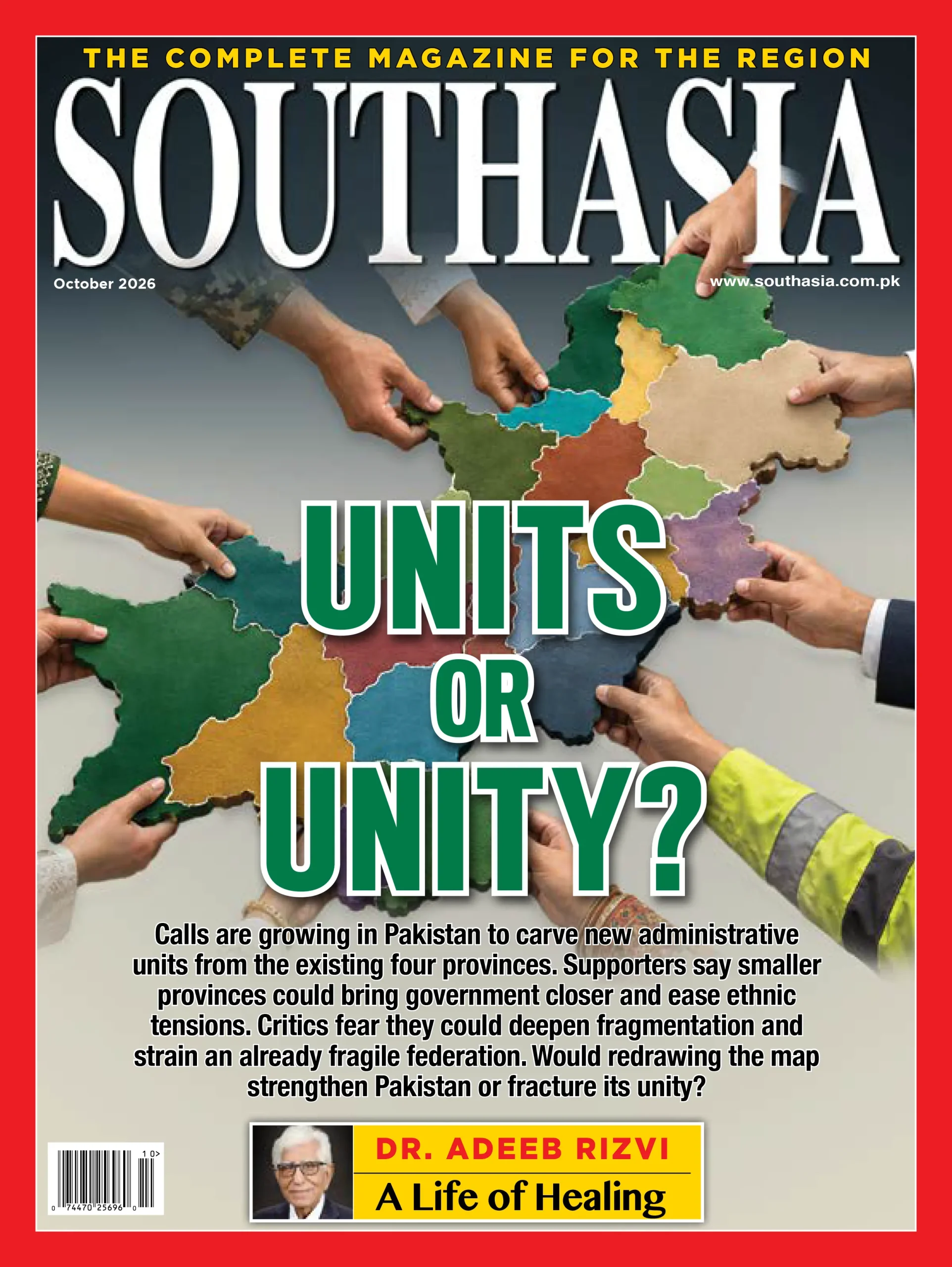





Dr. Adeeb Rizvi, for one, did not look like the head of anything, let alone an organisation that treated ordinary people free of charge. A white shirt, sleeves rolled up, and a face that always seemed to be listening to something just outside the room portrayed him as any other doctor one might find in a hospital. Yet he was not an ordinary doctor. People saw him as someone for whom healing was not a miracle but a natural habit. Born in Jaipur in 1938, he pursued a medical career abroad before returning to Pakistan.
His return to Pakistan marked the beginning of an institution that started as an insignificant urology ward at Civil Hospital. Over the years, his dedication and vision transformed that ward into a renowned institution: SIUT.
SIUT did not emerge as a structured organisation; rather, it grew bit by bit. One room, then another, then a corridor that needed repainting; then a dialysis machine donated by someone who believed in him.
My research into his philosophy was summarised by his own words in an interview: “Just because they can’t afford to live, we can’t let them die.” The statement captures his firm belief that healthcare is a right, not a privilege. People visited him not because he could perform miracles, but because he prioritised their lives when all doors seemed closed. He offered them another chance at life.
He fought tirelessly against some of the darker forces in society. The desperation to live gave rise to organ traffickers, brokers and a culture of quiet corruption. Tackling them was a herculean task, but he persevered. He pushed for laws, ethics and a system that would not prey on the poor.
“We do not treat diseases,” he once said. “We treat human beings.” It was the only rule he never broke. Even today, he walks the corridors, with admiring eyes following him wherever he goes. He envisioned Pakistan as a country where people would not have to choose between medicine and food, where life would not be measured in rupees.
It is no secret that his contributions earned him the Hilal-e-Imtiaz, Sitara-e-Imtiaz and the Ramon Magsaysay Award. Yet he chose to treat these honours as secondary to his work, for his efforts were already visible in the lives he had touched. Dr. Adeeb Rizvi didn’t just build an institution. He carved a way of thinking — that healing begins with dignity, and dignity starts with someone willing to lend an ear without asking for anything in return.

Khalid Salamat is a Pakistani writer based in Dubai whose work explores quiet courage, memory, and character across fiction and nonfiction. His books include Larger than Life, Blossom in the Dust, and The Faded Portrait. Learn more at: https://theuntoldstory.co/
Leave a Reply