


Bani, Bani Gala, and Galla Bani
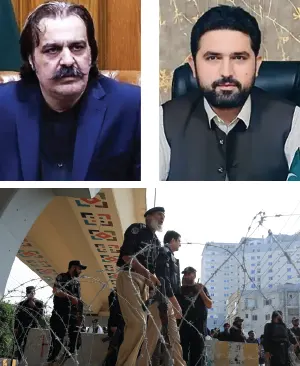 Much attention has been paid to the ouster of the PTI government and the imposition of governor’s rule in Khyber Pakhtunkhwa (KP). Yet few political pundits seem willing to critically examine the PTI’s 13-year rule in the province. The party has been a one-man show from the very beginning, but what its Bani forgot was to build a well-organised party comprising capable people who could deliver good governance. Instead, what was assembled in the name of a political party resembled a herd of cattle, aimlessly grazing and wandering in the open, without unity or a coherent strategy. The deposed chief minister, Sohail Afridi, and his predecessors, including Gandapur, are equally responsible for the province’s dismal state of affairs. KP continues to grapple with severe socioeconomic challenges, with little sign of improvement. More than a lost opportunity, the abrupt, if predictable, end of the PTI’s 13-year rule in KP, without even delivering the basic functions of governance, despite all the rhetoric, is a matter of shame for the Bani and the company.

Poverty: Pakistan’s Wake-Up Call
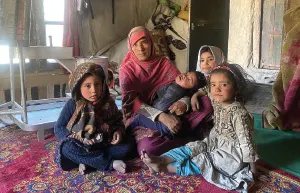 According to the United Nations Development Programme’s (UNDP) Multidimensional Poverty Index (MPI), released recently, more than 100 million people, roughly one-third of Pakistan’s population, face overlapping deprivations in health, education, and living standards. The figures show that 38.3 per cent of Pakistan’s population is multidimensionally poor, compared with 16.4 per cent in India and 14.9 per cent in Bangladesh. The Pakistani government’s response to these alarming figures appears complacent, with officials emphasising increased development financing, climate-resilient investments, and private-sector job creation. However, these priorities do not adequately address the far-reaching effects of soaring fuel prices and rising inflation, compounded by a growing tax burden that falls heavily on consumers through indirect taxation. The government appears fixated on short-term macroeconomic targets and building foreign exchange reserves, while human development sectors remain severely underfunded. Instead of spending lavishly on projects such as the Murree Glass Train, VIP flight maintenance and operations, or luxury vehicles and aircraft for senior officials, the government needs to wake up and take decisive steps to tackle poverty and ease the hardships faced by the general public.
Leave a Reply