



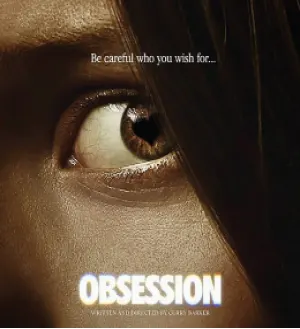
The film Obsession more than lives up to the hype, and it is easy to see why. Directed by Curry Barker, the film emerged unexpectedly and became one of the year’s biggest success stories. Produced on a modest budget of just $1 million, it has earned more than 500 times that amount at the box office. Created by a group of YouTubers, Obsession is far from a gimmicky, internet-driven project. Instead, it is a remarkably accomplished horror film that understands what many filmmakers still overlook: audiences are not looking for relentless jump scares—they want a story worth investing in.
The premise itself is hardly original. A man makes a wish using a cursed artefact, only for it to come true in the worst possible way. It is a tale as old as folklore, proving once again that originality lies less in the idea than in its execution.
One of the film’s greatest strengths is its patience. The first genuinely frightening moment does not arrive until nearly 45 minutes into the story. Some viewers may dismiss this as a slow burn, but that deliberate pacing is precisely what makes the horror so effective. Rather than rushing from one scare to the next, the film takes time to establish its characters, earning every moment of tension. It demonstrates that audiences remain willing to invest in thoughtful storytelling when the narrative is compelling.
The real power of Obsession becomes clear only when one recognises who the true victim is. Baron “Bear” Bailey initially appears to be a gentle, compassionate man secretly in love with his childhood friend, Nikki Freeman. His decision to use the mystical “One Wish Willow” to make Nikki fall in love with him seems born of loneliness and insecurity. In reality, it reveals the film’s central moral conflict. By denying Nikki the freedom to choose, Baron strips her of her agency and traps her inside a version of herself she never wanted to become. Every tragedy that follows stems from his conscious decision.
Perhaps the film’s most unsettling achievement is not its violence but its manipulation of audience sympathy. As Nikki’s behaviour becomes increasingly erratic and dangerous, Baron gradually assumes the role of the apparent victim. Friends, family, and even viewers are encouraged to pity him. Only later does the film reveal that he is not merely suffering the consequences of a curse but living with the consequences of his own actions. His apparent helplessness becomes another form of self-deception and moral evasion.
Consent lies at the heart of Obsession, yet the film never reduces the issue to a simple moral lesson. Instead, it explores the disturbing boundary where love becomes entitlement and asks whether desire can ever justify taking away another person’s freedom to choose. These questions linger long after the credits roll.
Rather than relying on excessive gore, Obsession uses subtle visual effects and psychological unease to create genuine terror. Its greatest achievement is demonstrating that horror resonates most deeply when it exposes uncomfortable truths about human behaviour. More importantly, it proves that a talented group of independent creators, armed with a compelling story and clear artistic vision, can produce a horror film that rivals the output of major studios without relying on extravagant budgets or spectacle.
Leave a Reply