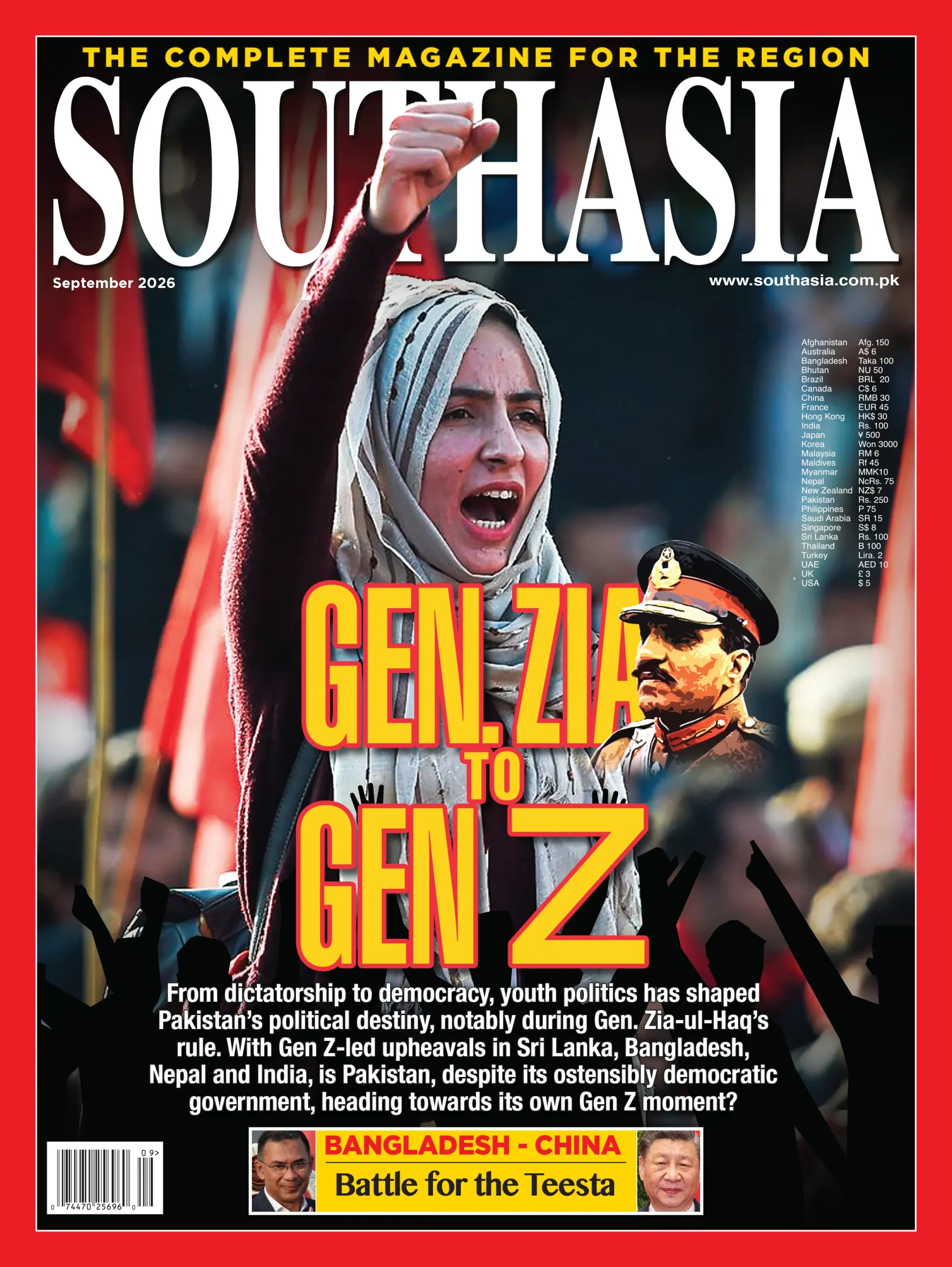



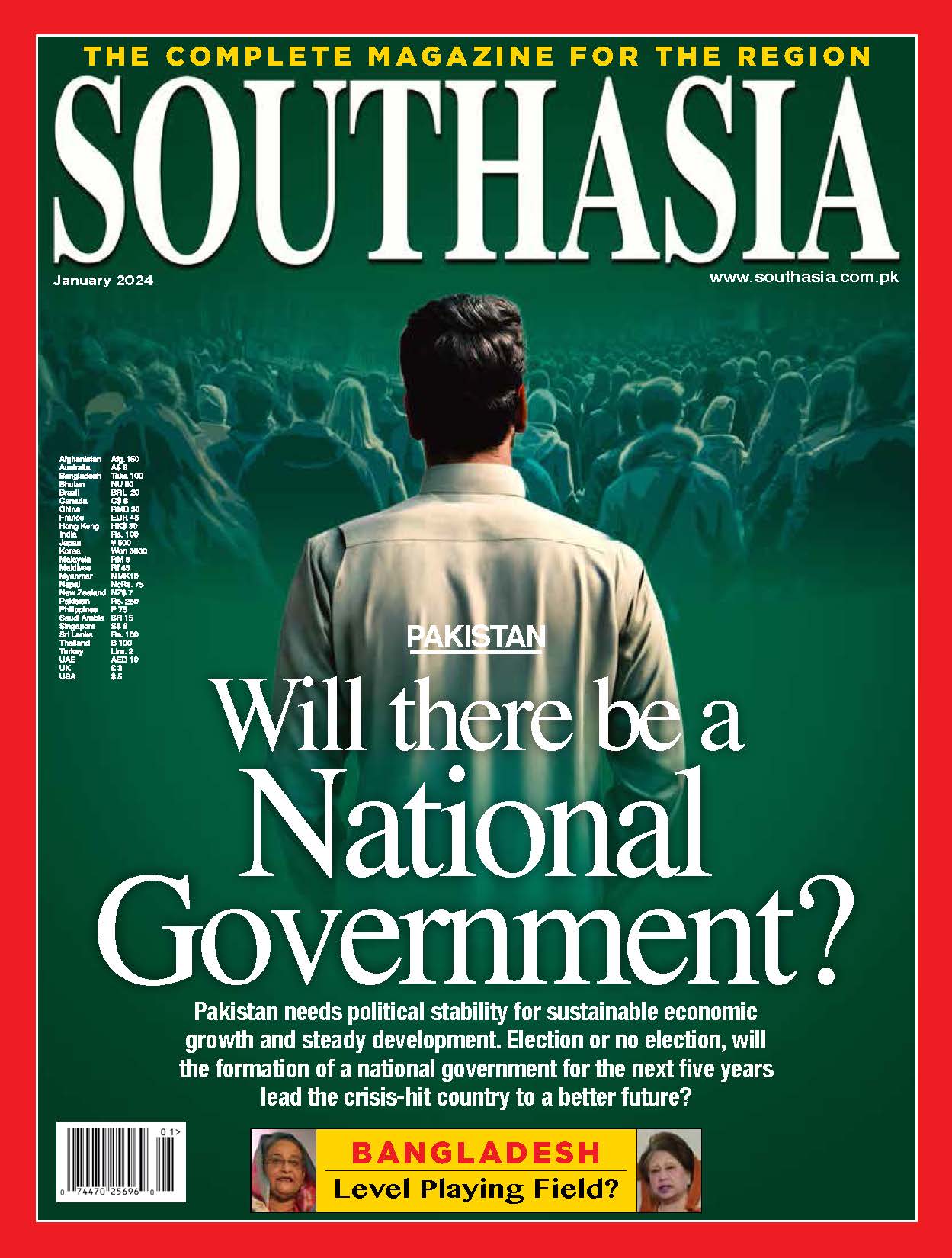
Pros and Cons of National Government
This is with reference to the cover story that appeared in the January 2024 issue of SouthAsia. Like any political system, a national government has its share of advantages and disadvantages, particularly for poorly governed Third World nations like Pakistan. One prominent challenge offered by the idea of having a national government is an immense potential for a centralized power that will subsequently lead to marginalization and disregarding of diverse regional, provincial, and communal interests. Since Pakistan is one of those South Asia countries which are culturally and ethnically diverse, one can never brush aside the most crucial interests of the country’ s provinces, namely Punjab, Khyber Pakhtunkhwa, Sindh, and Balochistan as all of these provinces have their distinct cultural and regional identities. A national government in Pakistan, from the word go, will find it difficult to address the unique challenges, needs and aspirations of each province and that will ultimately foster profound feelings of neglect and disenchantment among them..
Beenish Tabassum,
Skardu, Pakistan.
Suicidal Undertaking
 Apropos your cover story on the rationality of forming a national government in Pakistan, I want to convey my stance and voice my perspective about such a crucial debate of national significance. Following the national government path would be tantamount to embarking on a suicidal undertaking since it will lead to the rise of a centralized government, which will hinder effective governance and timely and smooth service delivery. Since the 18th Amendment is now the leading constitutional provision guiding the governance means and manners, the formation of a national governance will lead to a nightmarish scenario where localized issues could be overlooked, and bureaucratic processes could be poorly slow and largely cumbersome. This inadequacy can impede judicious responses to provincial matters and hold back the equitable distribution of financial and logistics resources.
Dr. Mehtab Raza,
Hyderabad, Pakistan.
Tall Claims
 In the current socio-economic landscape of Pakistan, some improvements can be seen along with loads of foreseeable challenges and mounds of difficulties. However, until the fruits of economic improvement reach the common man, such positive indicators are meaningless. In the national economy, where there are a few positive indicators in terms of stock market activity, increase in foreign exchange reserves, improvement in the value of rupee and some other aspects, there is a continuous rise in national debts, inflation is not being controlled and new employment opportunities created. The deterioration of the situation in the form of non-emergence of much-needed opportunities is also significant, which involves both internal and external factors. For this, it is essential to stop all unnecessary expenditures, not to recruit legions of ministers and advisers in the federal and provincial governments, to stop the privileges of the elite and to reduce the prices of all basic life necessities in proportion to the US dollar and petrol prices. If such measures are taken with no delay, claims of economic improvement can only be meaningful to the public.
Nafees Ibrahim,
Islamabad, Pakistan.
Quest for Good Governance
 There is no shortcut to good governance. The same is also true for a national government which will do nothing other than aggravating prevailing socio-economic discrepancies, since centrally formalized policies may not sufficiently consider the specific needs and formidable challenges faced by different provinces and regions. In a country like Pakistan with a proven track record of political instability since the country’s creation in August 1947, a strong national government will also face severe criticism largely for suppressing dissent and concentrating power in a few hands. In fact, it is more than a delicate task to balance the needs and requirements for a unified nation from the prism of regional autonomy. In a word, striking a perfect balance between bolstering the sense of regional autonomy and a robust central authority is vital for fostering a strong, stable and inclusive political environment.
Shakeel Ahmed,
Lahore, Pakistan.
Path of Effective Dialogue
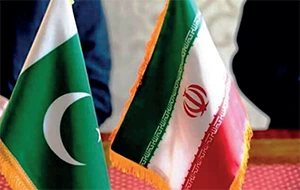 In January third week, Iran’s ntervention in Pakistani borders in the form of missile and drone attacks caused a deep surprise and an atmosphere of shock was created. In the given scenario, it became inevitable for Pakistan’s military and political leadership to declare their autonomy by giving a full-scale response to this blatant and unnecessary intervention. Undoubtedly, Pakistan’s military and political leadership showed great intelligence and dexterity in dealing with the unpleasant situation arising from the Iranian attack, which made Pakistan’s defense capability and ability to protect its sovereignty clear to the whole world. As far as the challenges of terrorism are concerned, it is being faced by the entire region, including Pakistan and Iran, so everyone has to fight it through joint efforts. Therefore, it is hoped that now both sides will adopt the path of effective dialogue with patience and tolerance and the restoration of diplomatic relations will also be implemented soon.
Rajab Gull,
Quetta, Pakistan.
Fair Economic System
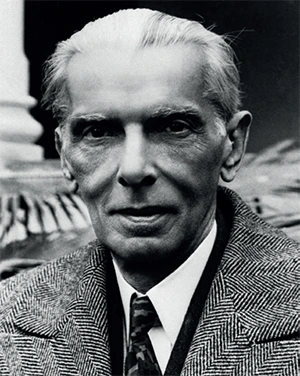 Quaid-e-Azam Muhammad Ali Jinnah, in one of his addresses to the nation after the creation of Pakistan as an independent nation, expressed the hope that Pakistan would present a fair economic system to the world in the light of Islamic principles. The progress in the direction should be accelerated and such an economic system must be established, free from all forms of cruelty and injustice. Unfortunately, the prevalent capitalist economic system is continuously increasing the deprivation of the vast majority of the human population by condensing all the world’s wealth into a few hands. Since 2020, the wealth of the five richest people in the world has doubled, while five billion people, i.e. 60 percent of the world’s people, have gone further into poverty. This alludes to the fact that joint efforts are required to tackle the situation on national, regional and global scales.
Jamshed Rizvi,
Karachi, Pakistan.
Kashmir and Palestine
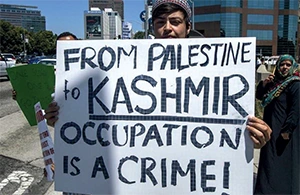 It is impossible to ignore the fact that the unresolved conflicts of Kashmir and Palestine have given rise to tragedies time and again. One of these problems is being considered as a nuclear flashpoint, but according to the resolutions of the United Nations, its solution has been avoided. Almost four months of war in Gaza have been completed. In these days of air and ground attacks on the citizens of Gaza, the genocide and brutality that Israel has unleashed is a dark chapter in the history of humanity. Palestinians are being martyred in Israel’s ongoing bombardment of residential areas every day, while the number of Palestinians martyred since October 7 has crossed the 24,000 figure. During this time, unprecedented tactics were adopted by the Israeli government to block the supply of food, water, medicine, medical equipment and starve people. After the attacks on the shipping of the Red Sea, there is a fear of the Palestinian conflict spreading further and the regional tension intensifying, but the United Nations organization seems to be a victim of its own interests. Will the world be allowed to suffer the same war and tragedies?
Camille Alphonse,
Madrid, Spain.