


Pakistan emerged as a key mediator in the Iran-US war, quietly replacing Oman after the United States walked out of negotiations and joined Israel in bombing Iran in February 2026. The war took an unexpected turn for the United States. Iran fought back and refused to surrender despite the decimation of its top leadership. When the killing of the spiritual leader failed to produce the anticipated regime change, U.S. President Donald Trump realized that, despite the destruction of Iran’s navy, air force, and nuclear enrichment facilities, the time had come to look for a mediator who could easily access the new Iranian leadership while maintaining good relations with America — two essential conditions for a credible negotiator.
The responsibility was enormous, as both parties had not negotiated directly at the level required to untangle such complicated issues for nearly 47 years. Russia, Egypt, and several European countries were mentioned as possible intermediaries. Meanwhile, as the war expanded with each passing day, Pakistan campaigned for peace and restraint through a diplomatic offensive led by its political and military leadership. Ultimately, when both sides agreed to negotiate, Pakistan was asked to facilitate the process.
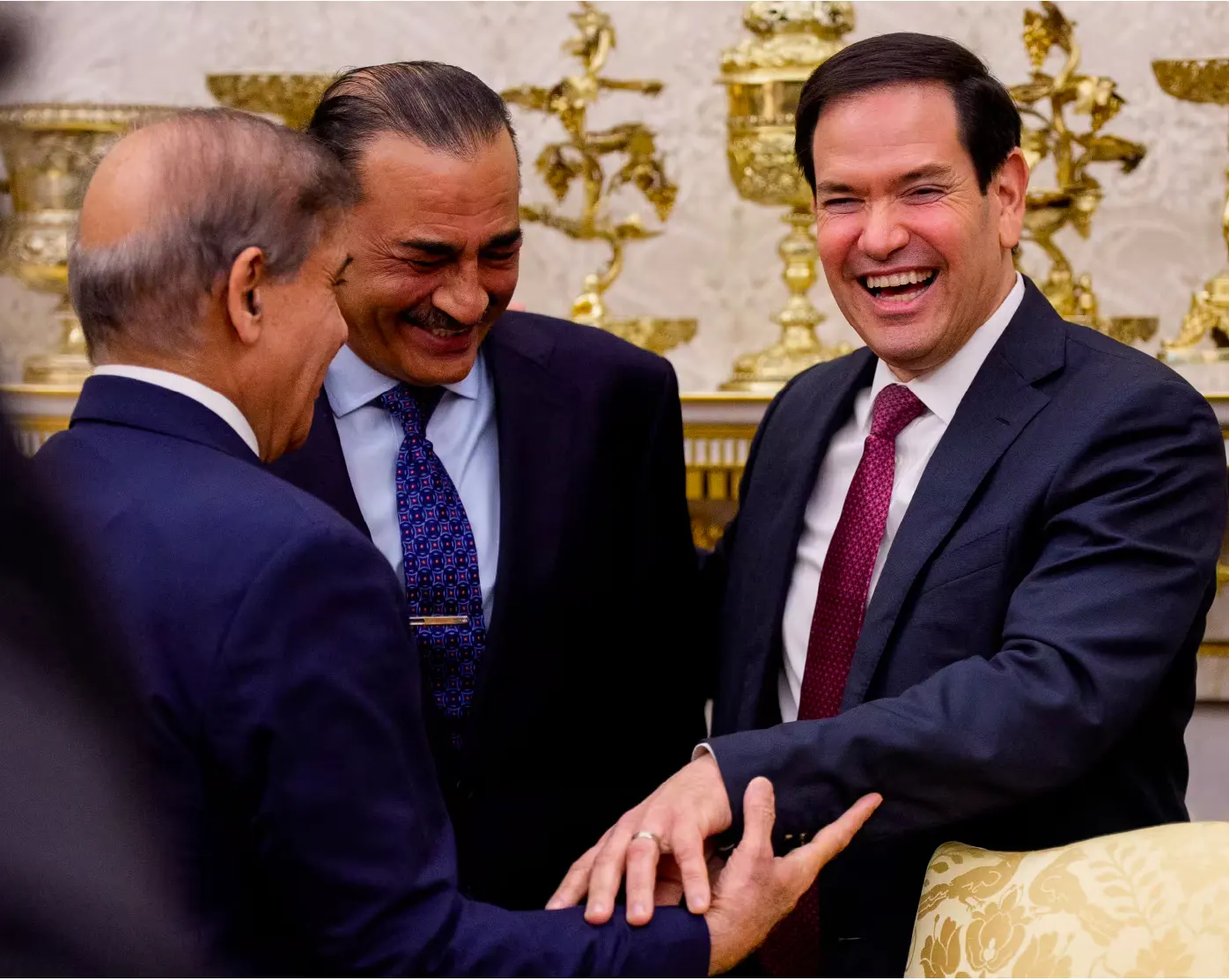
With finesse and nuanced diplomacy, Pakistan earned the confidence and trust of both Iran and America. One 21-hour round of negotiations was reportedly held between American Vice President JD Vance and Iranian Speaker Mohammad Bagher Ghalibaf in Islamabad on April 11-12. Despite the inconclusive first round of talks, both stakeholders continued praising Pakistan’s leadership for handling the challenge with aplomb. President Trump even credited Pakistan for persuading him to declare a temporary ceasefire against his own instincts.
This was no small achievement for Pakistan, but it also posed challenges in reconfiguring its strategic identity — a role very different from Trump’s characterization of Pakistan during his first term. Pakistan now appears set to consolidate a new image as a peace stabilizer beyond South Asia.
Some media outlets enthusiastically portrayed mediation as “power.” However, this interpretation may not align with the classical realist definition of power, which equates influence primarily with military capability, GDP, nuclear weapons, and the ability to impose outcomes unilaterally.
Mediation, however, represents a different layer of power — one rooted in networks, access, and communication channels. In diplomacy, as in business, contacts and access often matter more than brute strength. Through mediation, a state gains the ability to shape the framing of negotiations and influence the timing and sequencing of decisions. This is not symbolic; it is agenda-setting power, which can determine outcomes more effectively than force itself. The leverage Pakistan gained through sustained diplomatic engagement and by converting its geography and connectivity into strategic relevance is therefore a significant achievement.
The question, however, is whether Pakistan can transform this role into a third pillar of power in the volatile Middle East. In my view, such expectations are exaggerated. Mediation does not grant a country hard power. It enhances diplomatic outreach, complicates adversaries’ efforts to isolate it, and, if managed skillfully, may convert goodwill into concessions and influence across multiple theaters.
Success depends on credibility, timing, and continued relevance. The real issue is whether a state can sustain enough credibility to keep being invited into rooms where power is actually negotiated. So far, Pakistan appears to meet this criterion and is increasingly being viewed as a suitable mediator in the current conflict. However, it is premature to assume that this role will automatically elevate Pakistan into other high-stakes conflicts around the world.


The writer, based in Rawalpindi, is a former ambassador and can be contacted at mian.sana@gmail.com.
Leave a Reply