



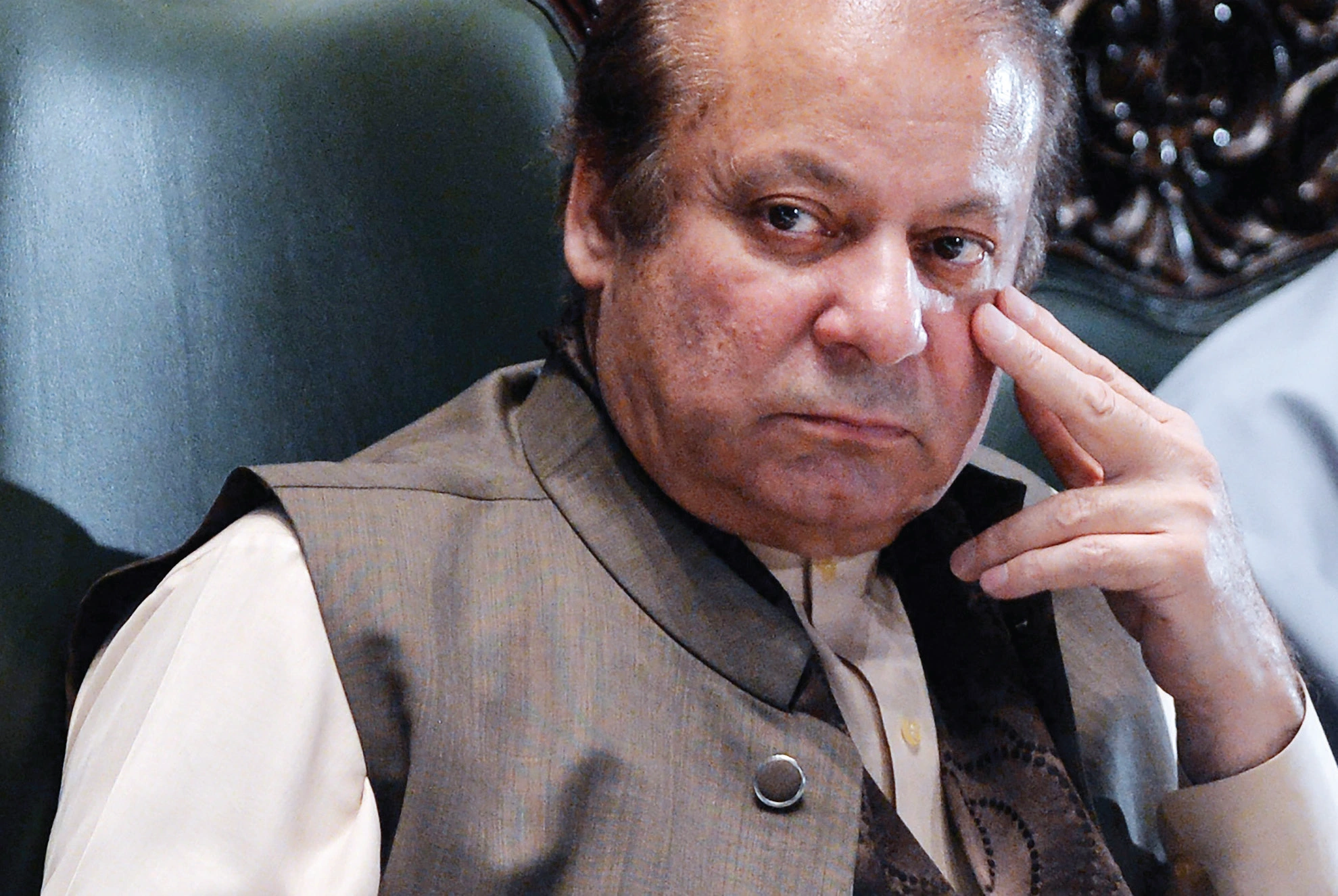
Pakistan has been grappling with political turmoil, formidable economic challenges, and a persistent battle against corruption in recent years. The return of Mian Nawaz Sharif, the former Prime Minister of Pakistan, after having been away in London for medical treatment, has brought a wave of speculation, anticipation, and uncertainty. Sharif, a prominent political figure in Pakistan, left the country amid a cloud of corruption charges, leaving many to wonder about the implications of his return and the potential impact on the nation’s fragile economy.
Nawaz Sharif’s decision to leave Pakistan and seek medical treatment in London was viewed by many as an attempt to evade the corruption charges against him. These allegations, stemming from the Panama Papers leak in 2016, accused Sharif and his family of amassing wealth and assets through illicit means. His departure from Pakistan fueled controversy, as his political opponents argued that he was attempting to avoid the legal consequences of his alleged wrongdoings.
The Panama Papers leak, which revealed hidden offshore accounts and assets, intensified the scrutiny of Nawaz Sharif’s financial affairs. The subsequent investigation and legal proceedings kept the issue of corruption in the public eye and significantly eroded his political standing. Sharif’s conviction and subsequent imprisonment only added to the turmoil surrounding his political career.
Pakistan has been brawling with a nose-diving economy marked by high inflation, fiscal deficits, and a mounting debt burden. The nation has been seeking international financial assistance, particularly from the International Monetary Fund (IMF), to stabilize its economy. Amid these challenges, Nawaz Sharif’s return has raised questions about whether he can offer a solution to the economic woes that Pakistan is currently facing.
The economic impact is uncertain. Nawaz Sharif’s past terms saw periods of economic growth, but his return may not automatically resolve Pakistan’s economic challenges, which have been exacerbated by inflation and fiscal deficits.
While Sharif has a track record of promoting economic development during his previous terms as Prime Minister, significant challenges are ahead. Reviving Pakistan’s economy will require effective policies, fiscal discipline, and attracting foreign investment. Sharif’s experience might position him as a credible candidate to address these issues, but whether he can successfully steer Pakistan toward economic stability remains to be seen. While Nawaz Sharif’s return may provide some stability due to his experience in governance, it may not be a quick fix for Pakistan’s economic issues. Addressing economic challenges would require comprehensive policies and reforms.
The reaction of the Pakistani public to Nawaz Sharif’s return has been mixed. His supporters welcomed his comeback, seeing him as a seasoned politician with the potential to lead Pakistan out of its current challenges. However, a considerable segment of the population also views his return with skepticism, associating him with the allegations of corruption that have plagued his career.
Their economic circumstances may influence the public’s stance on Sharif’s return. Those hit hardest by the economic downturn might be more inclined to support his return if they believe he can improve their financial situation. In contrast, those with deep reservations about his past may remain critical of his return.

 The writer is a historian and a critical analyst. He can be reached at arslan9h@gmail.com
Leave a Reply