



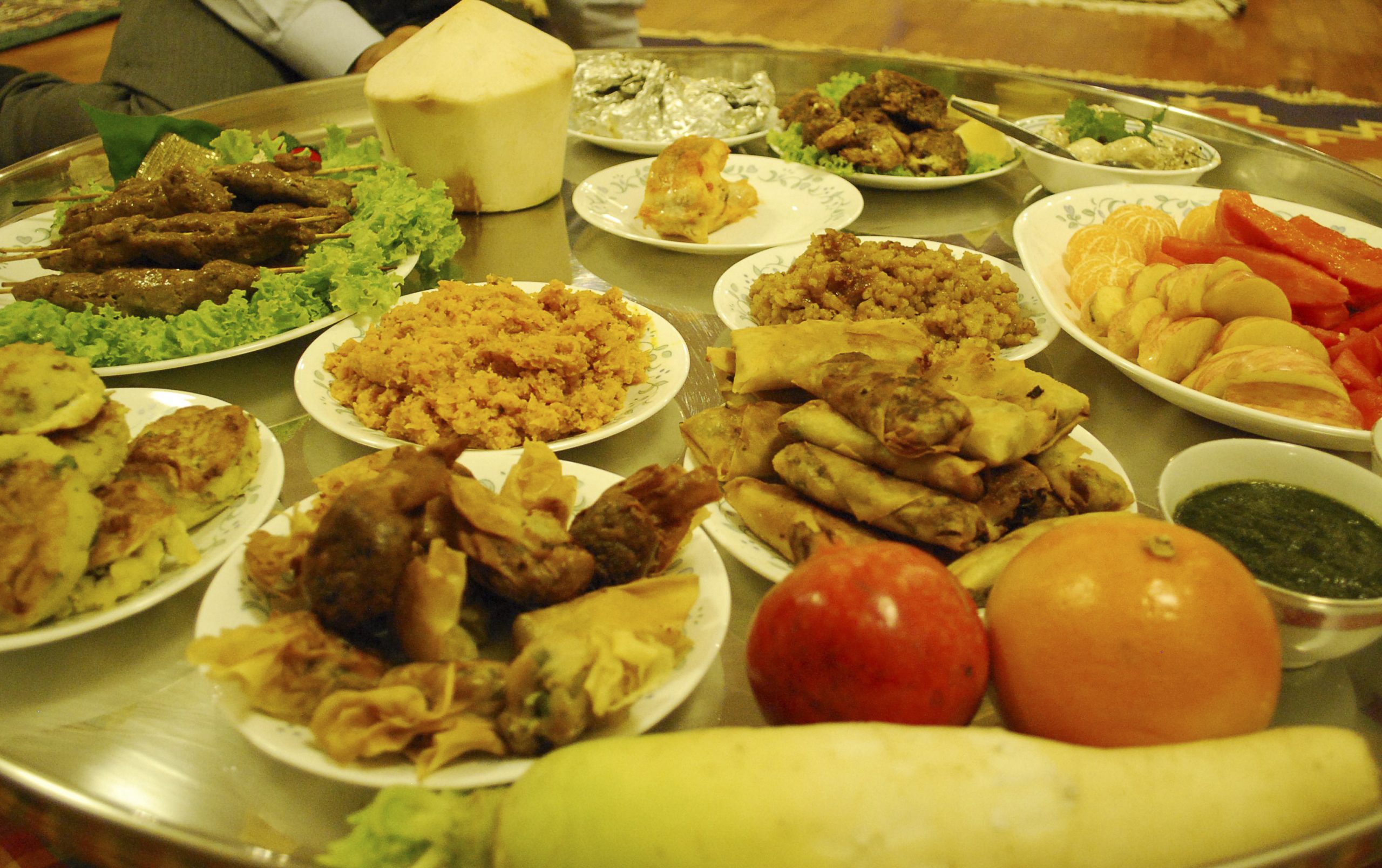
Karachi’s culture, food, and lifestyle have come under a wide variety of influences. This diversity is perhaps most apparent in the city’s culinary landscape, and foods such as the humble dish of Khow Suey tells the rich story of the city’s cosmopolitan history.
Khow Suey is a one-dish soup meal originally from Myanmar (Burma). It is made with egg noodles and curried beef or chicken with coconut milk and served with a number of condiments. It is a sweet yet spicy make-it-yourself comfort food that people in Myanmar eat with some variations.
It may be difficult to discover a relationship between Myanmar and Pakistan, but history provides some explanations for this cultural phenomenon. Khow Suey was popularized in the city by the members of the Memon and Gujarati communities settled in Karachi. The roots of this relationship go back to World War II, when Indian forces were deployed in Burma to protect the frontiers of the British Empire from the Japanese. But even in colonial India, Memons were a thriving business community who often ventured to the far ends of East Asia to trade in textiles, paper and other goods.
After Partition in 1947, and when Burma gained independence as Myanmar a year later, a large number of Memons migrated to Pakistan, while others settled in Myanmar, mostly in the city of Yangon (Rangoon). Those who settled in Karachi, and remained close to their Burmese roots, established a vibrant Pakistani-Myanmarese community, which became a part of the social and cultural fabric of the city.
The second wave of Indians who migrated from Myanmar to the Indian subcontinent came as a consequence of the 1962 military coup in Myanmar. Since the junta was a strong proponent of religious intolerance and of the removal of foreign settlers, the Memon community considered it prudent to move back to their homeland.
Those who settled in Karachi brought with them Burmese cuisine, which grew popular with the locals and other communities who came to Karachi under similar circumstances.
There are slight variations between the various versions of Khow Suey, owing to taste palettes and available ingredients. The original version is light and soupy, with a chicken broth serving as the base of the soup. Gram flour, coconut milk, and sautéed meat are added to the soup, before it is served over egg noodles and some garnishing items like chili, onions, and parsley. The Pakistani version uses spaghetti instead of egg noodles as the base, and tops them with curry made of gram flour and coconut milk. A crunchy texture is added by using layers of fried spaghetti and samosa dough. Green chilies and ginger are added to garnish.
Khow Suey is a popular dish among Memon and Gujarati communities today. It is a must-have at any event, whether it is lunch after Friday prayers or a dinner party for the extended family. People make the noodles by hand.
Many restaurants in Karachi serve the dish. Pan-Asian restaurants like Soi or Khao Dosa in DHA serve Khow Suey that is more close to its original form. But you can also find this dish at food vendors like Lala’s Food Corner on Burns Road or the Mirchili Food franchise all over Karachi.
Khao Suey at food vendors is prepared with a more desi and meat-emphasized flavour, with a lot of spices and crispy shavings to satisfy local tastes. However, as more home-based Khow Suey businesses begin to emerge, each outlet has attempted to make the dish their own with new ingredients and flavours.
Khow Suey is an excellent example of how food and culture are so closely inter-twined with a city’s history and migration trends. In Khow Suey, so many different influences have come together to create a dish that belongs to both Pakistan and Myanmar and there is no issue, contention or debate about the best version. Just like the Memon and Gujarati communities in Karachi, Khow Suey is an important part of Karachi’s delicious and multicultural landscape.
Leave a Reply