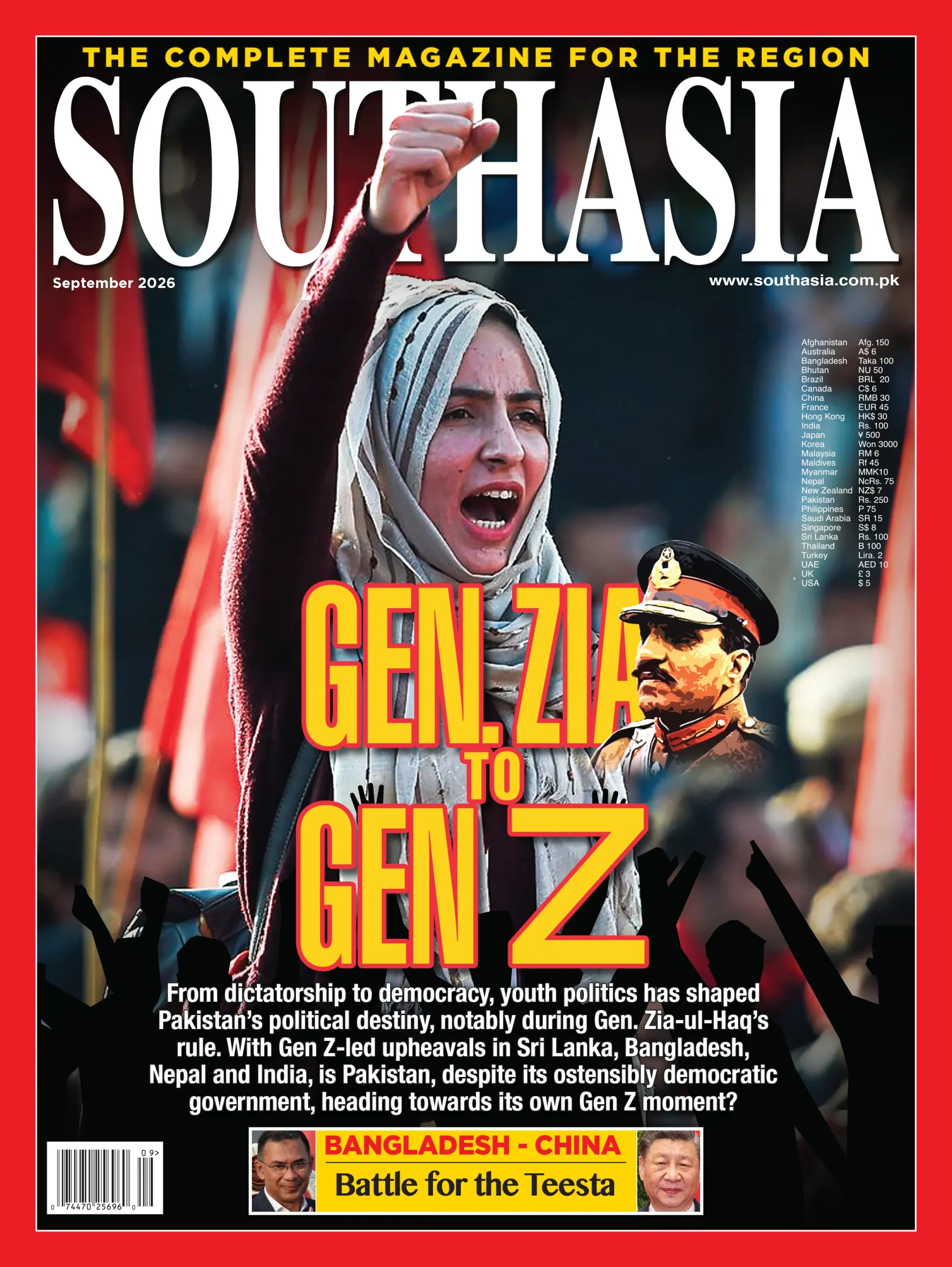



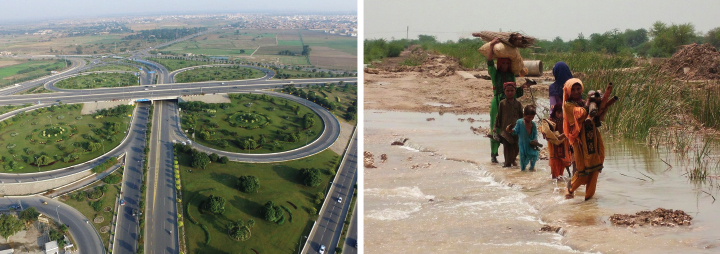
One of the inherent dilemmas facing the Third World countries is the fact that they are predominantly ruled by widespread inequality and rampant underdevelopment in their various sectors and areas. The imbalance in terms of development manifests itself in different ways, starting from deplorable conditions of human life to miserably untapped as well as unequal economic and development potential. An ever-increasing gap in the provision of services and basic facilities between the urban and rural areas remains the central form of regional disparity.
Ever since the emergence of Pakistan as an independent nation, a deep-seated intra-provincial disparity has been a serious issue as it even led to the separation of the country’s eastern wing in 1971. Though there is always a lot of room to learn from the past mistakes, the debate on regional and intra-provincial disparity has always been ignored to the extent of forgetting it. The successive governments in Pakistan have been trying to boost the economic outlook and put the country on the path of development by launching multiple fiscal and monetary policies. However, the desired results have never been achieved owing to a range of factors.
As things currently stand, the signs of rising social unrest among the people, coupled with deeply ingrained feelings of deprivation and neglect are evident in different quarters of the nation to the point of weakening the spirit of nationalism and social cohesion. Aimed at winning the public support during elections in particular, the political moves, are highly influenced by making investments in randomly focused infrastructure programmes, which are largely pursued to cover the vested interests of the powers that be, thus being one of the major causes of lopsided development in favour of one group but to the detriment of the other.
Such half-cooked policies can never achieve rewarding results. In this regard, the formulation of laws in relation to spatial planning policies is vital in order to enable an equitable and informed distribution of resources within the country. Committed out of political motives, a random selection of sectors for development widens the gap between different regions. If truth be told, cities tend to be the hub of innovation, liveability, diversity, cultural growth and economic development. Both at national and regional levels, however, only effective and result-oriented measures can make cities an equitable, efficient, economically advanced and sustainable place for all.


Based in Lahore, the author is an urban planner, economist and an artist. She can be reached at erumashfaq52@yahoo.com
Leave a Reply