




Since the Taliban takeover in August 2021, Afghanistan has been reeling under a grave humanitarian crisis that needs to be averted with immediate effect. The international community has repeatedly pledged to safeguard the Afghan populace at all costs. Even so, these promises have often taken a backseat to complex political realities and shattered the illusion of a quick-fix on this critical issue.
In December 2021, the crisis unfolding in Afghanistan assumed centre-stage at the special meeting of the Organization of Islamic Cooperation (OIC) held in Islamabad. Although the summit produced some valuable gains, it wasn’t fuelled by the spirit of urgency that is required to cope with a pressing humanitarian disaster.
It was a prudent decision to convene a special meeting of the 57-member body on a crisis that has been exacerbated over time. Large delegations from OIC member states attended the summit, and representatives from non-member states and international organizations were also invited for the meeting. It was undoubtedly the largest global gathering on Afghanistan since the Taliban seized the reins.
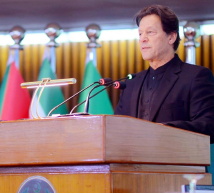 During the summit, tangible steps were taken to address the challenges that have afflicted the war-ravaged country. The body drew attention to the fact that the US sanctions had suppressed all formalized banking channels through which funds could be transferred to Afghanistan. As a result, the OIC vowed to establish a humanitarian trust fund that will be overseen by the Islamic Development Bank without any interference from the Taliban-led government. Though it will not be operational until the first quarter of 2022, the trust fund was seen as a commendable feat as it provided an incentive for more countries to send donations to the Afghan population. In addition, foreign ministers at the OIC meeting also demanded that the US should unfreeze Afghanistan’s financial resources -- a welcome move that will prevent further economic collapse.
A food security programme was also launched to deal with the burgeoning malnutrition crisis in Afghanistan. This initiative will be managed by the Islamic Organization for Food Security, and OIC member states and other global players will be expected to contribute to it.

 The six-point framework reflects Pakistan’s superior efforts at pursuing some form of thought leadership on the matter. However, these efforts may have lost their sheen owing to Prime Minister Imran Khan’s ill-advised remarks on the fundamental nature of human rights. The premier demanded that global players should remain mindful of the intricacies of Afghan culture while expecting the Taliban regime to deliver on its human-rights commitments. These comments were problematic as they condoned rights violations. The PM’s remarks also conflated Pashtun culture with the outmoded values of the Taliban administration.

The writer is a journalist and author. He analyses international issues and can be reached at tahakehar2@gmail.com
Leave a Reply