


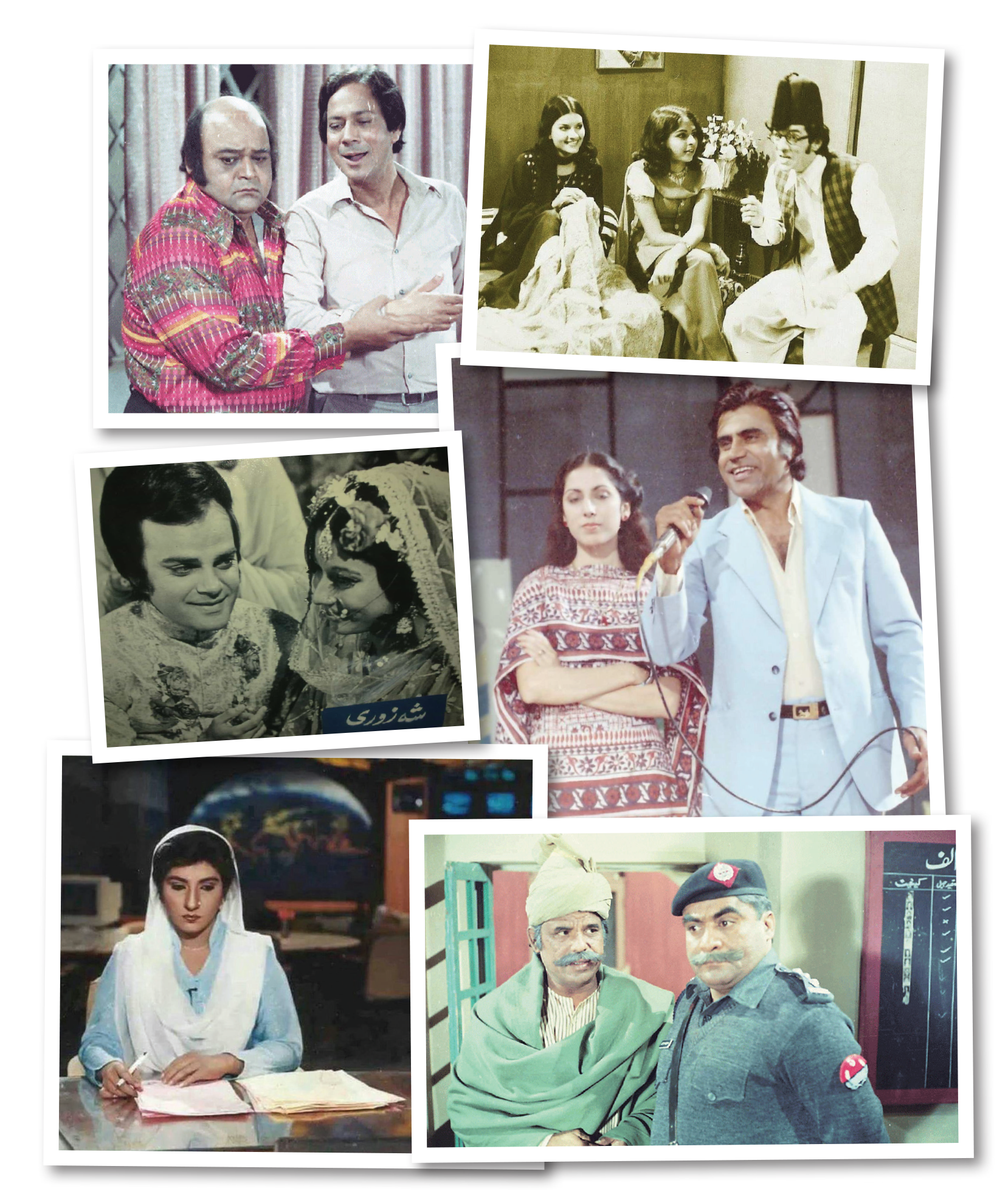
 In Pakistan, television broadcasting was introduced back in 1964 during President Ayub’s era. PTV started as a private venture. It was then nationalized during Mr Bhutto’s era. Like Pakistan Steel Mills and Pakistan International Airlines, the present condition of Pakistan Television, a public-owned enterprise, is nothing but miserable. If PTV is another unsuccessful government owned enterprise, who turned the applecart? Before answering this, we must take a look at the history of TV in Pakistan.
The idea of establishing a media and television industry in Pakistan was conceived in late 1956 and created by the privately set up national education commission. Wajid Ali, the industrialist, reached a milestone in 1961 after establishing a private television broadcasting company with the cooperation of Nippon Electric Company (NEC) of Japan and Thomas Television International of the United Kingdom. On 26 November 1964, the first-ever news broadcast was sent out by PTV and was beamed as a black and white transmission.
The organization remained under private sector management with more than half of the shares sold to the Ministry of Information and Broadcasting. Certain parameters and policies were regulated at state level, whereas the operations were run by a private party. This was and is the same model used by the British Broadcasting Corporation (BBC). TV in Pakistan was nationalized and brought under complete government-ownership by Zulfikar Ali Bhutto’s government. Like many other industries, PTV moved from the private sector to being a totally public broadcasting entity. When PTV was nationalized, its operations and management became a state subject. Today PTV is a liability instead of an asset.
Ziauddin Jeddi, former sales controller, PTV, recalls the countless problems that arose when it came to securing advertising in the early days of PTV, mainly because the concept was a new-one. Until then commercials only appeared on cinema screens. Strangely, in the first years revenue was beyond imagination as almost the entire business community from Karachi to Peshawar was eager to advertise on television. The first five years are always very crucial for any new business, but PTV was profitable right from the first year and remained so for a long time.


The writer is a columnist and broadcast journalist. He teaches at UVAS Business School in Lahore and can be reached at mali.hamza@yahoo.com |
|
Cover Story
|
|
Tribute
|
|
News Buzz
|
Leave a Reply |
Update |
Nice article.
It’s sad to know that the great organizational industries are going down the drain in Pakistan.🥺