


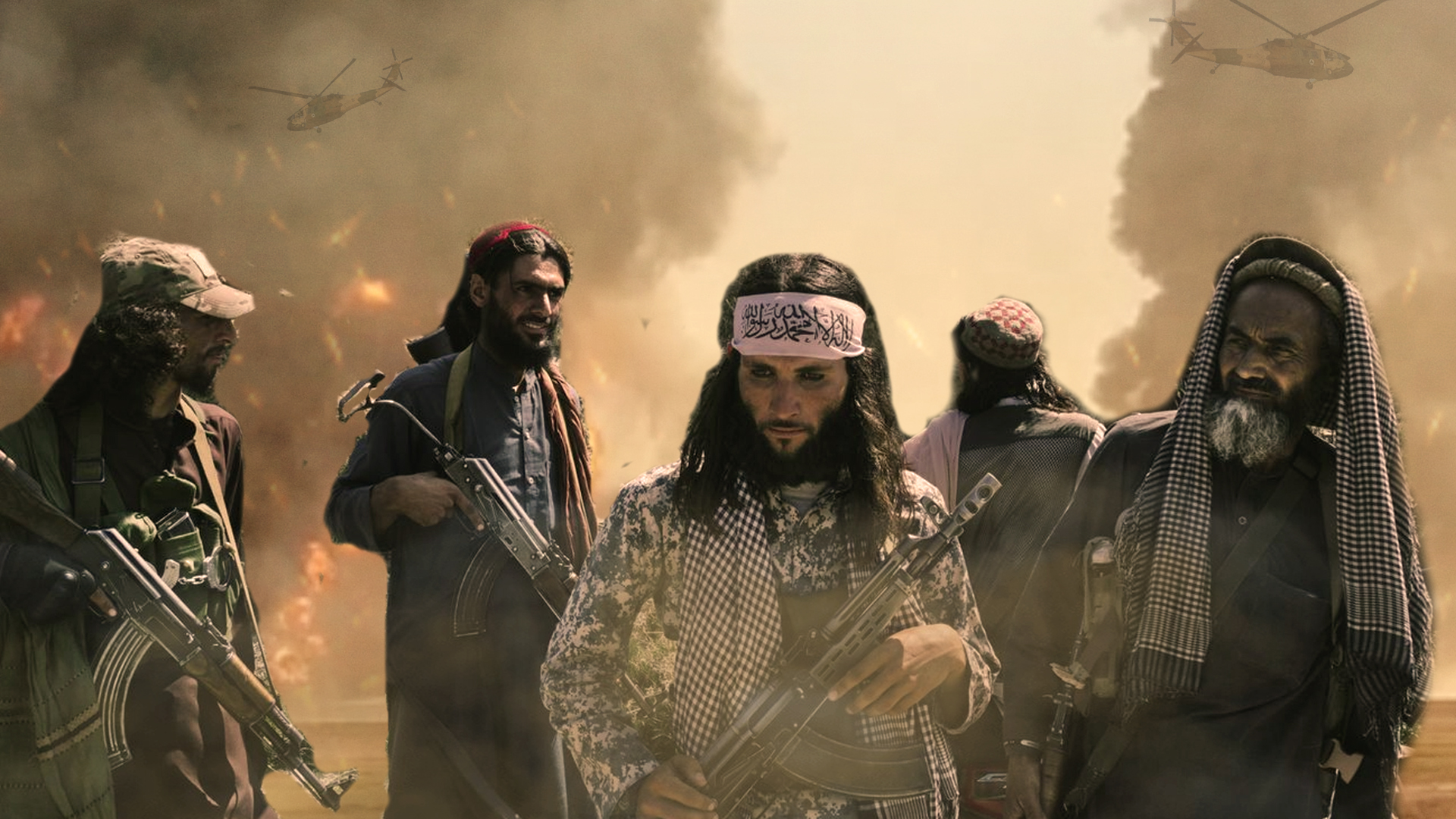
The peace deal inked between the United States and the Taliban is unlikely to deliver peace in Afghanistan. For Pakistan in particular, the U.S.-Taliban pact is geopolitically unfavourable and has major ramifications for its national security. Given the prevailing geopolitical context, the terms of the agreement, as well as the haphazard manner in which it was crafted and finalised, suggest that it was more about providing a graceful exit to the United States than bringing lasting peace in a violence-ridden country like Afghanistan.
Even within 24 hours of the signing of the so-called peace deal, a severe violence erupted in Afghanistan as most of the times. Given that the Taliban cut a deal from a position of strength, the U.S. was doing the same but as the underachiever, who has a severe lack of political will to move things forward as per its own desires. The Ashraf Ghani administration, on the other hand, is largely seen as an irrelevant party in the whole scenario. As things now portend, Afghanistan looks to be on the verge of yet another long-drawn-out, internecine civil war.
When the Taliban took power in Kabul in the mid-1990s, it had few supporters, namely Pakistan, Saudi Arabia and the UAE. Therefore, the Taliban were not considered as a force to reckon with. At that time, the Taliban were largely tolerated until they made a fatal mistake in the early 2000s. Backed by Russia, the Northern Alliance maintained military pressure on the Taliban when they were ruling the roost. In a stark contrast, the Taliban are now seen as a mature group of people, who have learned how to deal with the international system and play the game of power diplomacy through to the end.
Given the war-weariness and geopolitical stakes in Afghanistan, the world's leading powers are now busy talking with the Taliban, both overtly and covertly. The Taliban have emerged as a credible force as both global and regional stakeholders want to keep the Taliban engagement intact in order to bring sustainable peace in a war-torn Afghanistan. Post-U.S. exit, the Taliban now enjoy a favourable image in the international community as well as trust of major powers such as China, Pakistan, Iran and Russia. Instead of the Taliban, the United States is now being seen as a major threat to the regional peace. A couple of decades before, nobody could have perceived the way things are now turning out.
The Taliban's return to power, however, also marks a win for extremists and religious fundamentalist elements, an ensuing development with far-reaching consequences for the whole region. Knowing the fact that the Taliban-led government in Afghanistan will now win recognition of the international community, an increased acceptability for such hard-line regimes will largely add to geopolitical complications. One must not forget the fact that the Taliban have had a brutal record when it comes to human rights and they even go to the extent of mass-murdering their opponents to gain foothold in the country. The fact should worry us more often than not, as the rise of the Taliban could serve as a source of an inspiration to the rest of the violence-prone groups operating in the region and beyond.

The writer is an alumnus of the Bacha Khan University, Charsadda. He is currently associated with Bank Al Habib as a financier. He is also serving the Student Think Tank for Europe-Asia Relations (STEAR) as its Sponsorship Officer. He can be reached at waqasm948@gmail.com and his Twitter handle is @MWaqasKP
Leave a Reply