


 On May 17, Afghan President Ashraf Ghani and Abdullah Abdullah signed a power sharing deal to form an inclusive government that will allow the two opponents to act on a united front towards peace in the face of the Taliban, ISIS, and other obstacles facing Afghanistan. According to the agreement Dr. Abdullah will appoint half of the cabinet and will head the negotiations with the Taliban. After the signing ceremony, Dr. Abdullah quickly dropped the title “President of Afghanistan’’ from his twitter handle marking the change.
In the past, Abdullah has been a close aide of Ahmad Shah Masood and a staunch opponent of the Taliban, but with his new title as the Chairman of the High Council for National Reconciliation, he has vowed to work with ‘all sides.’ These are hopeful signs that the fragile intra-Afghan peace process can possibly move forward and its is good news for the international community to see the bitter political stalemate coming to an end. In a series of tweets, Abdullah stated, “...we cannot afford to squander opportunities and international goodwill, especially for a just and comprehensive peace through talks.” He may be referring to the American administration’s consistent and desperate efforts to see a semblance of peace in the country before the re-election campaign of President Donald Trump.
The power sharing agreement also came at a difficult time for the country after a shocking terror attack on a maternity ward at Dasht-e-Barchi Hospital in Kabul. Over twenty people lost their lives in the attack, most of them mothers and two babies who had just entered the world. News of the horrific attack on a maternity ward and heartbreaking accounts of four hours of terror experienced by mothers and their newborn babies defenceless in the face of the senseless violence, shook people around the world. Though believed to be an act of ISIS, it served as a stark reminder to Afghans that the violence in the country, including from the Taliban, has gone too far. After a wave of other attacks around the country by the Taliban, President Ashraf Ghani announced the resumption of offensive attacks on the Taliban after they refused repeated calls for a cease-fire.
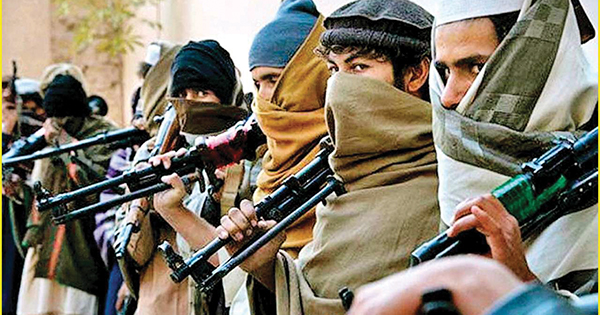
In the midst of the Covid-19 pandemic, attacks from the Taliban only continued to rise rather than show reprieve. This led to a clarification from the United States that the peace deal meant an unwritten agreement for all sides for an 80% reduction in violence. Col Sonny Legget clarified and also gave a warning to the Taliban against the sharp increase in violence that the United States was committed to continue to support “their Afghan brothers and sisters” and that there would be consequences if the increased scale of violence continues. According to Afghan officials, the Taliban have orchestrated over 3,800 attacks since the signing of the historic deal for peace with the United States. Afghan generals have also accused the Taliban of continuing to have close ties with terror groups such as Al Qaeda and Lashkar-e-Taiba, which, if true, would be in defiance of a key promise the Taliban have made to the United States.


The author is a columnist and former contributor to Al-Jazeera America. She can be reached at Meriam.Sabih@gmail.com or twitter @meriamsabih |
|
Cover Story
|
|
Tributes
|
|
Special Editorial Feature
|
|
News Buzz
|
Update |
Leave a Reply