



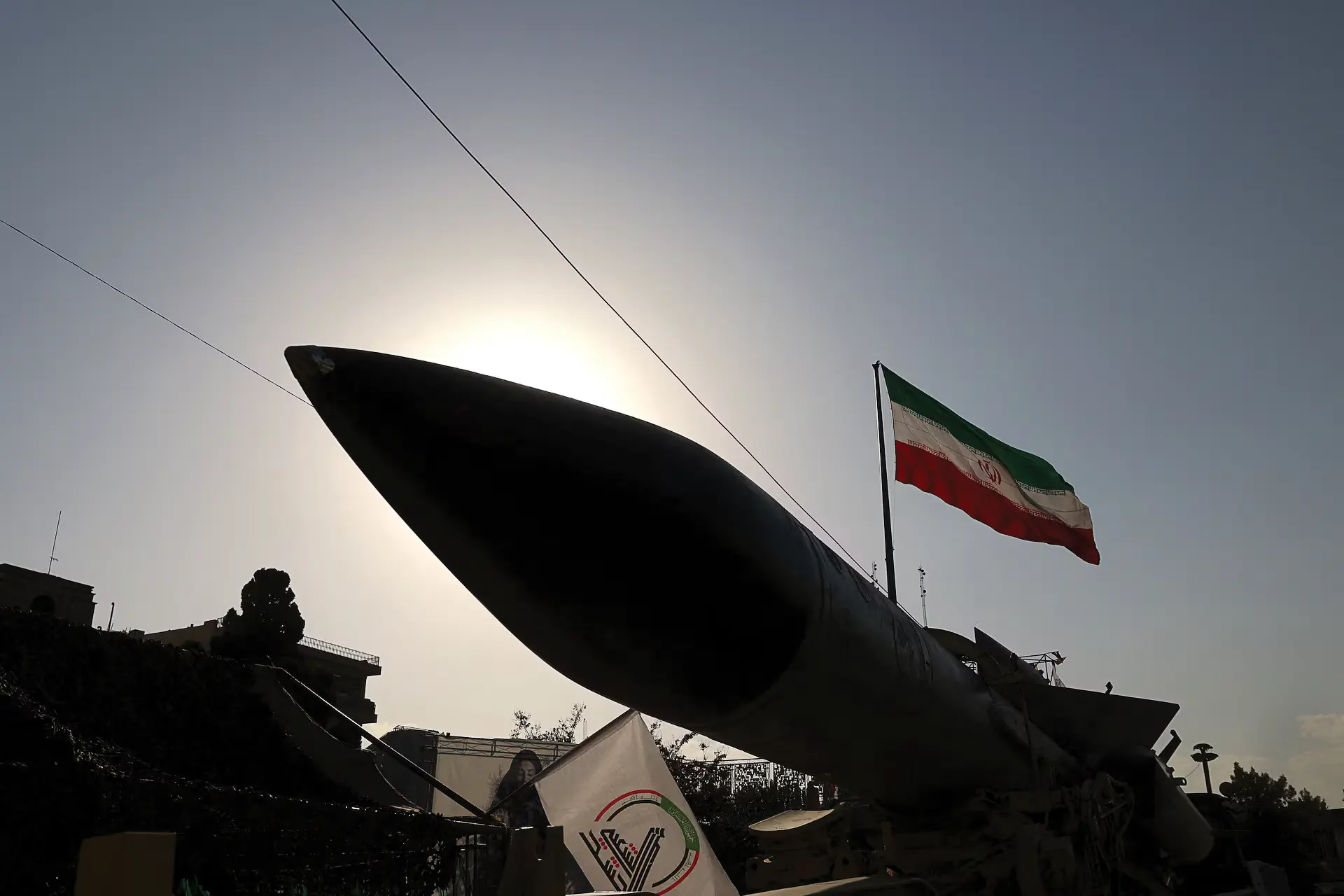
Is Iran a defense line for Pakistan? If Iran surrenders, will it be Pakistan’s turn? How Pakistan’s nuclear and missile stockpile is considered a threat to Israel, and to what extent Islamabad is ready to face the implications of the Gulf War?
These are the questions that are raised following the U.S-Israeli attack on Iran on February 28. Pakistan’s ostensible neutrality in the Gulf War will, however, not prevent a future attack on the world’s only Islamic nuclear state. With a population of only 93 million and facing colossal U.S-Israeli destruction, Iran is resilient, courageous, and motivated, but can Pakistan, with a population of 225 million faces a predictable Israeli attack in connivance with the United States and India, or will it capitulate without fighting?
In a situation when the Pak-Saudi defense pact has been activated, and Islamabad has pledged to side with Riyadh in case of an external threat, one needs to examine the fact that such a position taken by Islamabad will cause a direct conflict with Tehran. The public opinion of Pakistan is heavily charged against the United States and Israel, and the sufferings of the Iranian people because of the U.S.-Israeli attack have led to local outrage. Walking a tightrope, Pakistan is facing a devil and a deep blue sea-like situation. If Pakistan fails to side with Saudi Arabia and the United States against Iran, it will face strategic and economic ramifications. If it covertly helps Iran to deal with foreign aggression, the outcome will be the activation of the Israeli plan to target Pakistan with Indian and U.S. assistance.
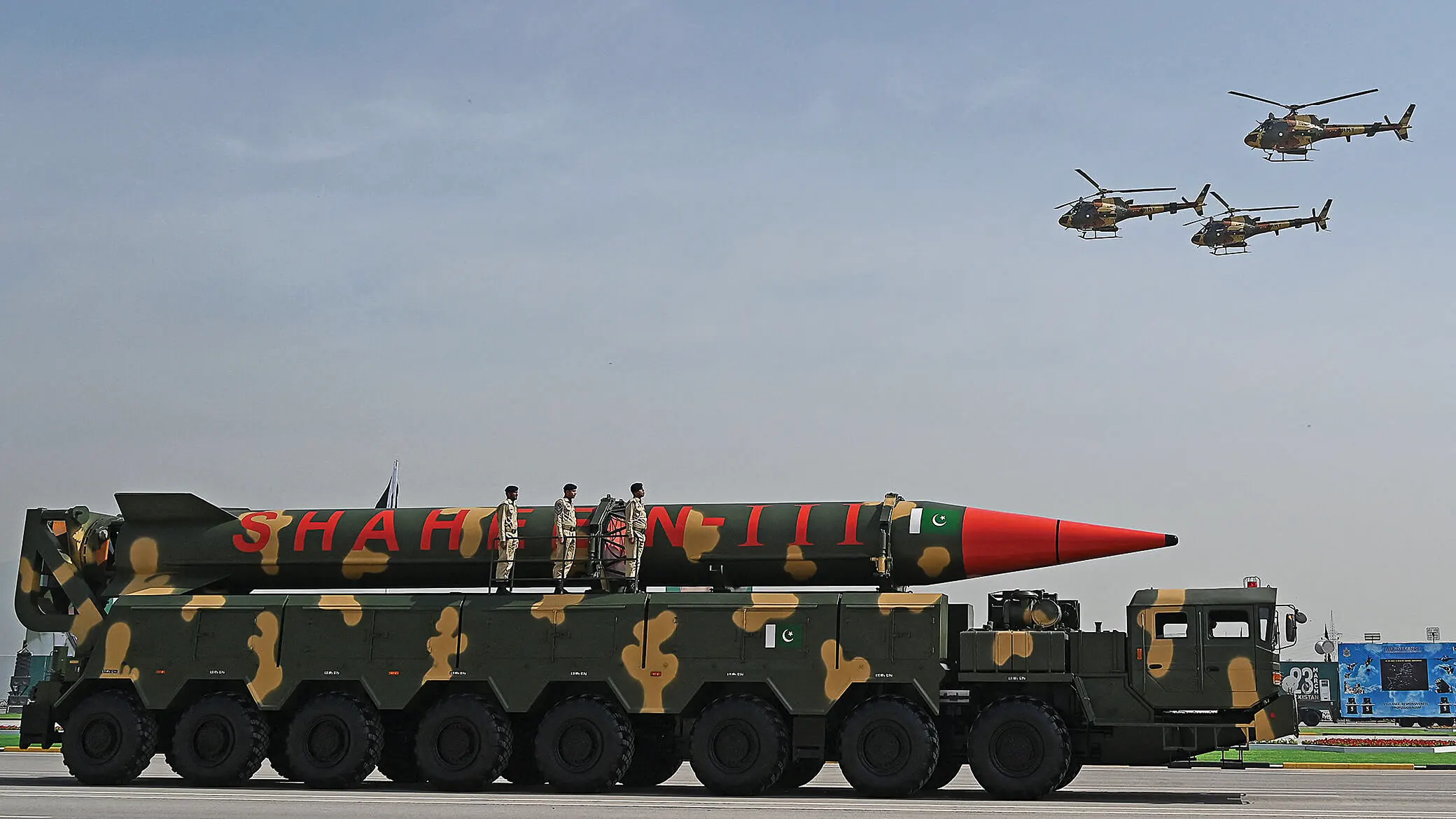
f it is Iran today, tomorrow it will be Pakistan, may not be a myth but a reality. For a long time, Pakistan’s nuclear ambitions have been termed as a formidable threat to Israel. There is public pressure on the Pakistani establishment to activate its nuclear shield in favor of Iran and deter Israel from its ongoing attacks against Tehran. But in the last month or so, Islamabad has proved that it has tilted in favor of the U.S and Saudi Arabia by siding against Iran in the U.N Security Council. Pakistan’s pro-Western elite knows that it cannot take a position against the U.S and Saudi Arabia because of economic and strategic reasons and must communicate to Iran that it should not target Gulf countries. For Iran, it is like a do-or-die situation. It cannot follow an opportunistic and cowardly approach in its war with the U.S and Saudi Arabia and agree to Pakistan’s request of not attacking American bases and installations in the Gulf.
Analysts argue that given Pakistan’s economic, political, and strategic vulnerabilities, it cannot take a position against the U.S and Saudi Arabia. Faced with insurgency in the restive province of Baluchistan and terrorism in KPK, the two provinces of Pakistan are already in turmoil. The other two provinces of Sindh and Punjab are also exposed to political fault lines in the shape of governance issues. Economic consequences of the Gulf War, which compelled Islamabad to increase the energy prices, will further augment inflation, unemployment, and severe price hikes.
With low per capita income, GDP, economic growth rate, and meager foreign exchange reserves, Pakistan is unable to take a courageous stance in the Gulf War. Furthermore, the elite of Pakistan are unwilling to leave their comfort zones and want people to render sacrifices. Crackdown on the PTI-led Opposition and curbs on the media also prevent the Pakistani state from siding with the resilient people of Iran. In that case, Israel, India, and the United States may seize an opportunity if Iran collapses and target Pakistan to dismantle its nuclear and missile program.
In a news item, “Caught between Iran and Saudi Arabia, can Pakistan stay neutral for long?” published in Al-Jazeera by Abid Hussain, March 7, 2026 it is argued that, “As Iranian drones and ballistic missiles continue to target Gulf states, the question being asked with increasing urgency in Pakistan is what Islamabad will do next if it finds itself pulled into the war.


Based in Karachi, the writer is a Meritorious Professor of International Relations and former Dean of the Faculty of Social Sciences at the University of Karachi. He can be reached at amoonis@hotmail.com
Leave a Reply