


“In a sense, 1947 has yet to come to an end”, wrote the historian William Dalrymple in 2015 on the Partition. This is probably truer for India than for Pakistan, for though I have witnessed much resentment against it in India, it has never been so grotesquely referred to as by the Indian PM, Narendar Modi, when he recently declared commemorating August 14 as “Partition Horrors Remembrance Day”. His cabinet colleagues may have advised him to do so and many of his ilk might follow this instruction, but it is doubtful if the saner elements of Indian society would agree.
The whys and whos of Partition have been conveniently laid at the door of Mr. Jinnah, who has been cast as the villain of the piece in India. People do not realise that both Gandhi and Nehru played an important role in the division. In 2009, Jaswant Singh, a BJP leader, wrote that Jawahar Lal Nehru was primarily responsible for Partition and that India had demonised Jinnah for political gains. Singh paid the price for telling the truth by being expelled from his party and his book erased from the collective memory of the people. Since then, much more has been written about the circumstances that led to Jinnah’s demand for a separate homeland for the Muslims. In Pakistan, Jinnah is portrayed as a devout Muslim who founded Pakistan on the basis of Islam, an idea far from reality. Both countries have successfully, but tragically, developed their respective narratives around opposing and totally false depictions of their founding fathers.
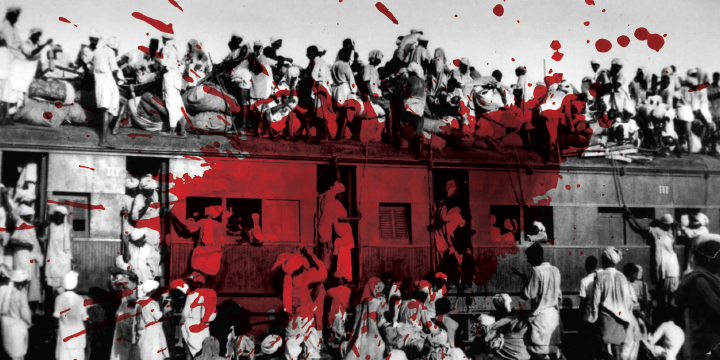
According to the Hindi writer, Krishna Sobti, Partition is difficult to forget but dangerous to remember. The memories, seen, heard and read, are seared onto our minds, and the danger has multiplied. The tragedy is not that it happened, but how it happened. It is cited as one of the bloodiest and most violent events in world history, with over 15m people displaced and between 1m-2m killed, raped and maimed. Perpetrators and victims belonged to Hindus, Sikhs and Muslims, the carnage being particularly severe in Punjab and Bengal. Many were excessively violent and still others were tremendously kind and gracious. People were so brutal that one historian has suggested the event was more cataclysmic than the Holocaust. Even after seven decades, objective research has eluded generations of Indians and Pakistanis, whose views of what happened remain clouded by emotions, painful stories and nationalist narratives that have increasingly painted “the other side” as the devil who was solely responsible for the horror. It is these often one-sided stories of what transpired during the fateful days of August that fester in our minds.
Partition is also unique in that it was the first time that two communities that had lived in relative harmony for centuries (although rifts had been created by the British after the War of Independence in 1857, an “uprising” blamed upon Muslims) turned upon each other with ferocity while the colonial rulers left after looting the country. There are no similar examples to learn from.


The writer is a development professional, researcher, translator and columnist with an interest in religion and socio-political issues. She can be reached at nikhat_sattar@yahoo.com
Leave a Reply