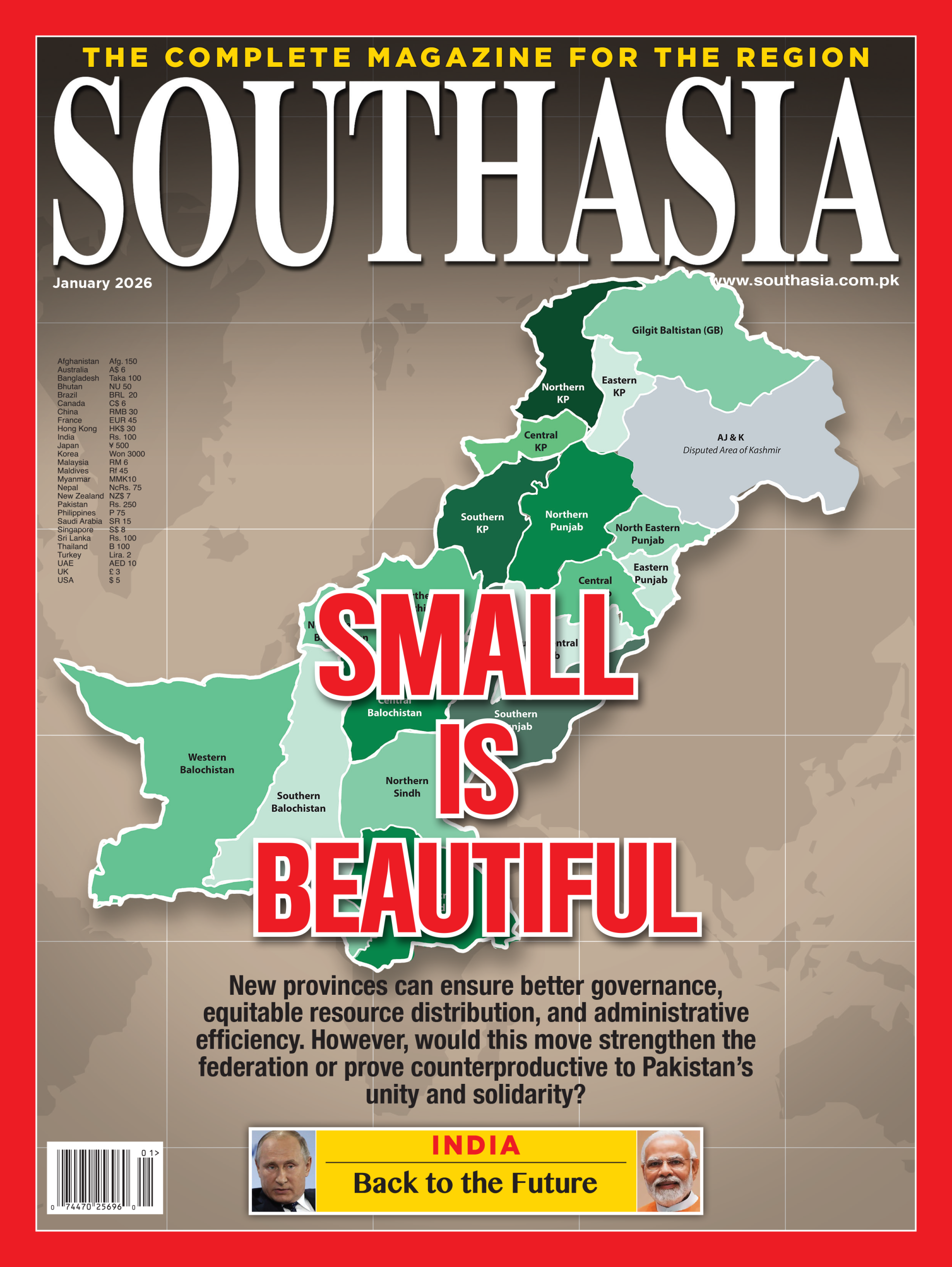



No End to Dynastic Politics
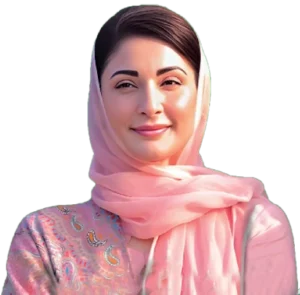 The rise of Maryam Nawaz as Chief Minister of Punjab, Pakistan’s largest province, is a matter of little consequence to be discussed in detail among the commentariat. It has something to do with the fact that Pakistani media already has a lot more else to worry about than to dilate on such political developments, which were pre-scripted, just like knowing the results of a fixed match. Still, what merit does the daughter of a three-time prime minister have to govern the country’s largest province other than her envious political heritage? It speaks volumes that the status quo still rules the roost in almost all provincial and federal setups, and dynastic politics is alive and well lodged in all the country’s leading political parties..
Hat Trick for Murad Ali Shah
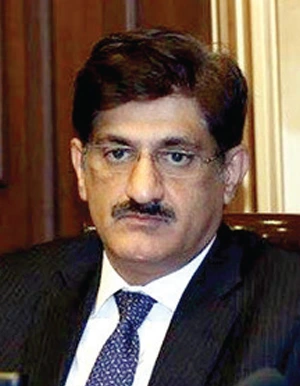 Price control is one of the primary responsibilities entrusted to a provincial government, and time and again, the Sindh government has come out to be an abject failure when its performance is seen through the prism of price control, especially of food items. Like the previous ones, this year’s Ramadan, too, the cost of sehr and iftar staples — from meat to vegetables and fruits witnessed an upward trajectory throughout the month, and the Sindh government was as helpless this time as it had been on earlier occasions. Simultaneously, it’s a hat trick for Murad Ali Shah to become the Chief Minister of Sindh for a third time on the trot. Clap. Clap. However, one might wonder if this is good news for the people of Sindh, particularly Karachi. If the most experienced CM cannot perform his basic functions yet again, what else he can do for the people is anybody’s guess.
It Happens Only in India
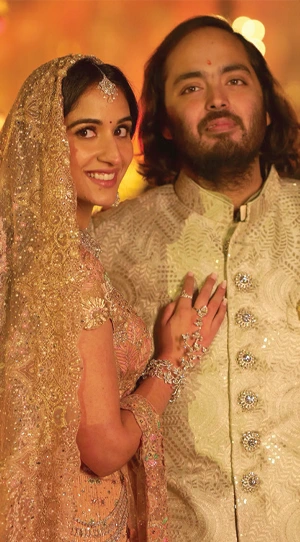 Aweek-long wedding and pre-wedding extravaganza of Anant Ambani, the son of Asia’s richest man Mukesh Ambani, showcased the other side of India, characterized by brazen inequality, extreme poverty, and gross injustice. The stark-naked display of filthy wealth took the world media by storm, thanks to a multi-million-dollar budget, over two thousand dishes, and more than a thousand guests gracing the occasion. India, one of the world’s fastest-growing economies, is also ranked as one of the most unequal countries, according to Oxfam statistics. For instance, the top 10% of India holds 77% of the total national wealth, while 73% of the wealth in India goes to the wealthiest 1%. In marked contrast, the poorest half of the country’s population, or over 670 million people, can see only a 1% increase in their wealth. Indeed, such shameless things can only happen in India.
Leave a Reply