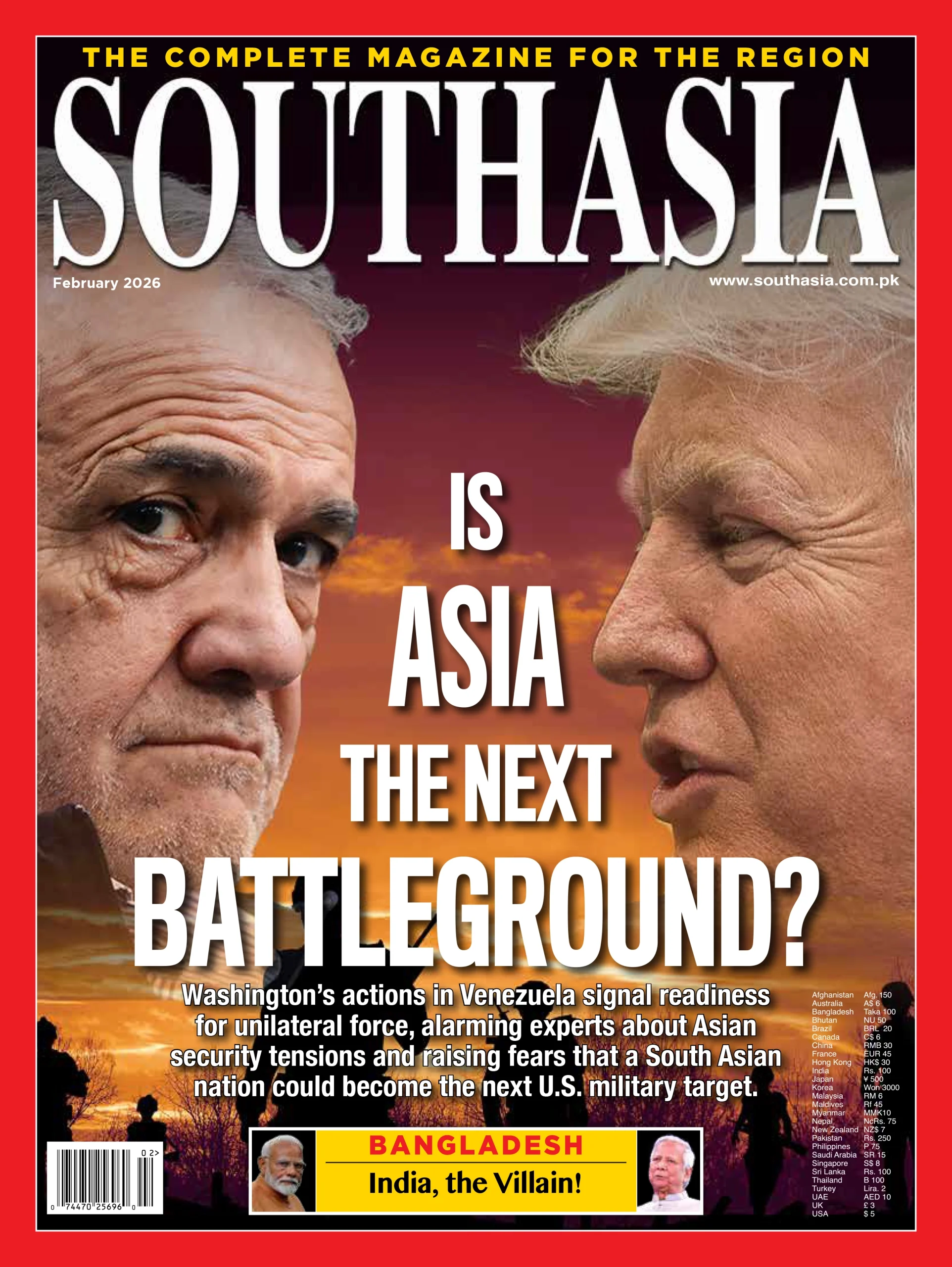




Domestic politics, ideology, and historical memory have always shaped the national narrative about India in Bangladesh. This fact has been woven into the fabric of Bangladesh since its creation in 1971. The perception of India has changed over time, under different administrations, but undoubtedly, it has always played a role.
Historical context
Bangladesh’s national narrative often portrays India as a villain. This has been caused by several complex issues ever since the Liberation War in 1971. No one denies the active role that India played in supporting Bangladesh’s independence from Pakistan, the fact that it provided military assistance and intervention, trained the Mukti Bahini guerrillas, and sheltered millions of Bangladeshi refugees. However, in the consciousness of many Bangladeshis, this assistance is viewed as one with ulterior motives, which, geopolitically, is always the motivating factor for this type of assistance and intervention.
There is no doubt that India saw the opportunity to weaken Pakistan and establish itself as the regional dominant and hegemonic power. Separating two Muslim majority countries on two sides of its borders could only be perceived as beneficial to India’s geopolitical strategies.
Rising far-right extremist Hindutva trends in India, which led to the demolition of the Babri Masjid in 1992, the Citizenship Amendment Act in 2019, and India’s rising anti-Muslim policies in general, have led to suspicion and mistrust within the Bangladeshi psyche.
Sheikh Hasina’s rule
What cemented a rift between the Bangladeshi sentiment towards India was the strong resentment towards former Prime Minister Sheikh Hasina’s 15-year rule (2009-2024) and her excessive pandering to India. This was a key factor that led to the widespread dissatisfaction, or rather antipathy, which contributed to the 2024 student uprising, which ultimately led to Hasina’s forced resignation and exile to India.
For many Bangladeshis, Sheikh Hasina’s deep ties and alignment with India, particularly with Prime Minister Narendra Modi and Indian business interests, were seen as a compromise of Bangladesh’s national sovereignty. It was perceived that Hasina was prioritizing benefits for India rather than those of Bangladesh. This sentiment is founded on substantial factors:
• Bilateral business deals such as the Adani Group’s power export were viewed as profiting India’s interests at the expense of Bangladesh.
• Despite substantial accusations of Hasina’s authoritarianism, corruption, election irregularities, human rights violations, oppression, etc. India continued to back her unconditionally. For Bangladesh, this was a clear sign of India enabling and supporting Hasina’s repressive and dictatorial form of governance.
 *India’s hegemonic overreach, particularly during Sheikh Hasina’s rule, was perceived as a situation in which Bangladesh was somewhat willingly turning into a vassal state of India without any sovereignty. This anti-India sentiment was intertwined with the anti-Hasina protests last year. Her complete allegiance to and alignment with India fueled public anger, as she was putting the interests of a foreign country ahead of that of the welfare and sovereignty of her own people.

Based in Houston, United States, the writer is the executive director of a US-based human rights organization. She can be reached at scballand@thechrd.org
Leave a Reply