


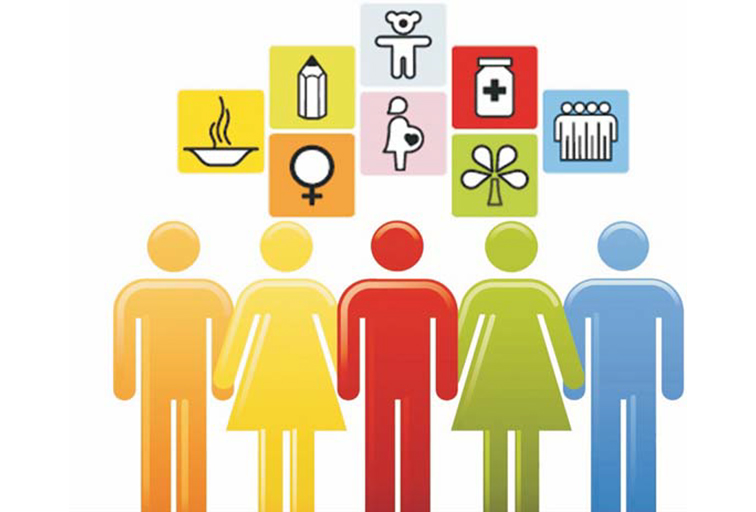
Equality between both genders is given great importance in both constitution of each country and international conventions. Almost all countries are signatories of International Convention- SEDAW- policies and guidelines for safeguarding basic right of women.
Pakistan, despite being signatory of SEDAW, failed to provide equal opportunities to its half population- Women. Being 153rd out of 156 in Global Gender Index, Pakistan has to revise and revisit its policies, laws and projects regarding women political empowerment, health and survival, education and economic opportunities.
Deteriorating condition of gender disparity clearly shows the disinterest of successive governments in Pakistan. Weak policy implications and heedlessness of authorities have worsened the situation. For instance, before a decade, Pakistan was ranked 132nd. Now where are we today? The abysmal condition of gender inequality not only effects the economic development but also gives the country a bad name globally.
Even Bangladesh, a country whose separation was considered a blessing before 50 years by many stakeholders and politicians of Pakistan due to its economic burdens, made a miraculous effort in closing its gender gap. World Economic Forum placed Bangladesh 1st in South Asia and 65th globally. Owing to interest of government for human development, BBC Urdu reported, Bangladesh is going to be the list of developing nations soon. Equal opportunities for both genders remained the priorities of their each government. But case in Pakistan is different.
By segregating half of the population from work force leaves negative impacts on the economy of country- but truth is bitter. The greater population of the women is working in agriculture, performing home chores, and caring the livestock in rural areas, but rarely, they own properties and lands. Case may not be different in urban areas or capital cities of the country. Many females are found with cars in urbanized and populated cities of the country, the registered vehicles on their own names are only a tip of the iceberg. The Less said about bank accounts, the better. Working environment in urban areas for women is precarious.
The harassment, rape and violence are common issues faced by every working woman in public spare. Increasing number of such issues deprived women from getting health, education, and property and marriage rights. Numbers of societal problem, domestic violence, rape, honor killings, death during childbirth and gender discrimination, are reported each day. Because women are always portrayed as sex objects and this particular mindset not only affected women, but also minor children equally.
The reason behind these issues is agency- ability to make decisions independently- that women especially in rural areas are deprived. Being women and living in rural areas of country is a curse because decisions from marriage to health or education are taken by male members of the family. Today the age of advanced technology and health techniques, maternal mortality ratio of Pakistan is counted 186 per 100,000 lives; most of the cases are from rural areas, while 17.6 and 8.00 is for America and France respectively.
The awful condition of women education is clear from the female literacy rate of the country. Less than 47% is total female literacy while 38% is for rural women. The female school drop-out rate is very high in rural areas. Lack of schools, transportation, entrenched social norms; poverty and child marriage are the major constraints for female education.
The main causes of economic, educational, and health disparity among women is the lack of political empowerment. From voting to NADRA registration and contesting elections, women have to face many hurdles because of traditional mindset- ‘leaders are men’. ECP reported that males and females voting gap was 12.5 million in last election. The voting turnout of females was 9.1 per cent and most of the none-voters were from rural areas. This shows the dismal condition of women political participation in Pakistan.
Women health facilities, educational, economic opportunities and political empowerment vary each province. For example, women in Balochistan are least beneficiaries of health, educational, economic opportunities and political participation. This discriminatory approach has made women vulnerable in the province.
Pakistan is already a low spender on female human capital and the fiscal space has shrunk further after Covid-19. Government should adopt holistic approach and develop far-reaching policies for increasing female literacy and provide quality health facilities to females.
It is high time to embolden women related commissions which undertake quick review of national policies and to provide far-reaching recommendations for enabling the government to ensure essential health, education, political and economic opportunities to all women in the country.

The writer is a PhD. scholar. He can be reached at nadilbaloch75@gmail.com |
|
Cover Story
|
|
News Buzz
|
Update |
Leave a Reply