




Our mental health defines our thoughts, emotions and behaviours. The healthier our mind is, the better choices we will make in our life. Depression, anxiety and unresolved trauma takes the shape of unhealthy tendencies like addiction, self-harming behaviour and physical illness, to name a few. Shopping addiction is a real thing, a more acceptable addiction but an addiction nonetheless.
It is usually acceptable because, on the look of it, it doesn’t harm anyone other than your pocket and there is a very thin line between shopping based on needs and shopping which is an outcome of unmet psychological needs.
Any addiction is a compulsive psychological need to do something again and again and is usually an avoidance of addressing repressed emotional distress and finding a sense of pleasure in something.
The psychology of a shopaholic isn’t any different. The compulsive need to shop again and again without any need is an addiction and a compensation of something within you that people don’t want to address. Just to feel ‘good’, the compulsive shopper visits the mall again and again.
What is this addiction rooted in? One factor that would be common is to present a false sense of self. Alfred Adler, a psychotherapist, was known for his theory around how every human being is born with a sense of inferiority and they spend their entire life driven by a need to strive for superiority to compensate for the sense of inferiority. In some people, this inherent sense of inferiority is amplified by factors such as body shaming, failures in early life and being put down by parents - all leading to low self-esteem.
So such people, while struggling inside, will present a persona to the world that looks happy and successful and what better medium to convince the other but a few Gucci bags or a fancy watch or two.
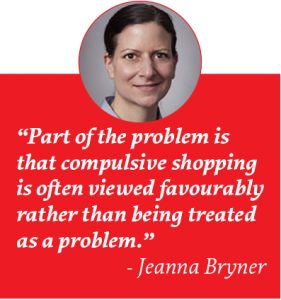 Low self-esteem is one of the most common factors and shopping becomes a way to improve self-esteem. It is also validation-seeking because when you adorn expensive clothes and display branded possessions such as a watch or mobile phone, you expect people to validate you. It is almost as if the person borrows a sense of self from what they have in the form of material goods to compensate with powerful inner feelings of inadequacy and worthlessness.

The writer is psychotherapist and a freelance contributor. She can be reached at zaramaqbool@yahoo.com
Leave a Reply