



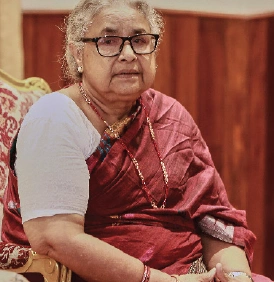
 On September 12, Sushila Karki created history by becoming the first woman to serve as the administrative head of Nepal. In her capacity as interim Prime Minister, she is tasked with overseeing the transition to fresh elections scheduled for March 5, 2026, and responding to demands raised during the Gen-Z protests, including the investigation of state-sponsored corruption and atrocities committed by political parties and their leadership in the past. Remarkably, this is not Karki’s first groundbreaking achievement—she had previously served as Nepal’s first female Chief Justice from 2016 to 2017.
In the first few days following the emergence of the Gen-Z movement, Nepal was in a state of utter shock. The main administrative centers, along with selected private and public properties, were set ablaze, forcing political leaders to go underground. However, the country is gradually returning to normalcy, and the political parties have resumed their regular business. Deposed Prime Minister KP Sharma Oli, who had to be airlifted from his official residence on September 9, is spitting fire against the current government. He has threatened to boycott the scheduled elections. Multiple writ petitions challenging the government’s legality have already been filed in the Supreme Court. The discussions on these petitions are ongoing in the constitutional bench of the Supreme Court.
The current government was formed under the banner of good governance. However, an important ethical question about the credibility of the government is being raised as the alleged past and ongoing illicit activities of certain ministers are now being exposed. Furthermore, youth migration is at its peak, and the country has been downgraded to a grey list by the Financial Action Task Force in terms of its economic status. Amid these adversities, the interim government should have coordinated with established political forces to take a mutual step forward in addressing these issues. Instead, the government had hinted at a confrontation with the leading political parties, including the Nepali Congress and the Nepal Communist Party-UML. In addition to that, the government has yet to officially initiate the pre-election proceedings, despite the election being only three months away.
With these developments following the Gen-Z movement, the country now finds itself in a political deadlock. While the future of Nepal remains uncertain, there is little indication that significant positive change is on the horizon. In fact, Nepal has long suffered from political instability, which has been a fundamental driver of its governance failures. Ever since the autocratic Rana regime ended in 1950, Nepal has not seen a single prime minister serve out an entire term. For instance, since the restoration of multi-party democracy in 1990, Nepal has experienced 28 prime ministerial changes in 35 years, with some individuals repeating as Prime Minister multiple times.
If everything goes as planned, the interim government will hand over governance responsibility to the newly elected Prime Minister following the March 5 elections. With more than 150 political parties contesting the elections, the formation of a single-party government is unlikely. Hence, a coalition government of multiple political parties is inevitable. With Nepal’s power-grabbing political culture, the permutations of the coalition will change frequently, thereby enthroning a new prime minister in shorter periods, which has been the case ever since, and the cycle of instability will continue.


Based in Germany, the writer is a senior scientist and independent opinion maker. He regularly contributes political commentaries and analyses on current affairs to leading English dailies published from Nepal. He can be reached at pushpa.joshi@gmail.com
Leave a Reply